Electricity powers nearly every part of modern homes. From heating and cooling systems to kitchen appliances, home offices, and electric vehicle chargers, the average household uses far more electricity today than homes built decades ago.
Many houses across Nassau County and Long Island were originally built with electrical systems designed for much smaller power demands. In many cases, homes were constructed with 100-amp electrical service, which was once considered more than adequate for lighting, televisions, and basic appliances.
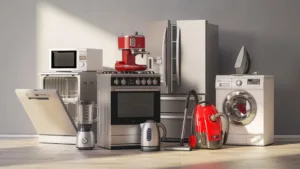
Today, however, modern households rely on far more electrical devices. Larger HVAC systems, smart home technology, EV chargers, and high-powered kitchen appliances have dramatically increased electrical demand.
Understanding how much electrical power your home really needs can help you avoid overloaded circuits, frequent breaker trips, and potential safety hazards. It can also help you plan ahead if you are considering renovations, installing new appliances, or upgrading your electrical system.
Understanding Electrical Service Capacity
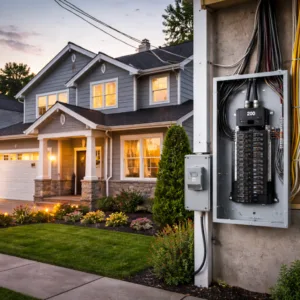
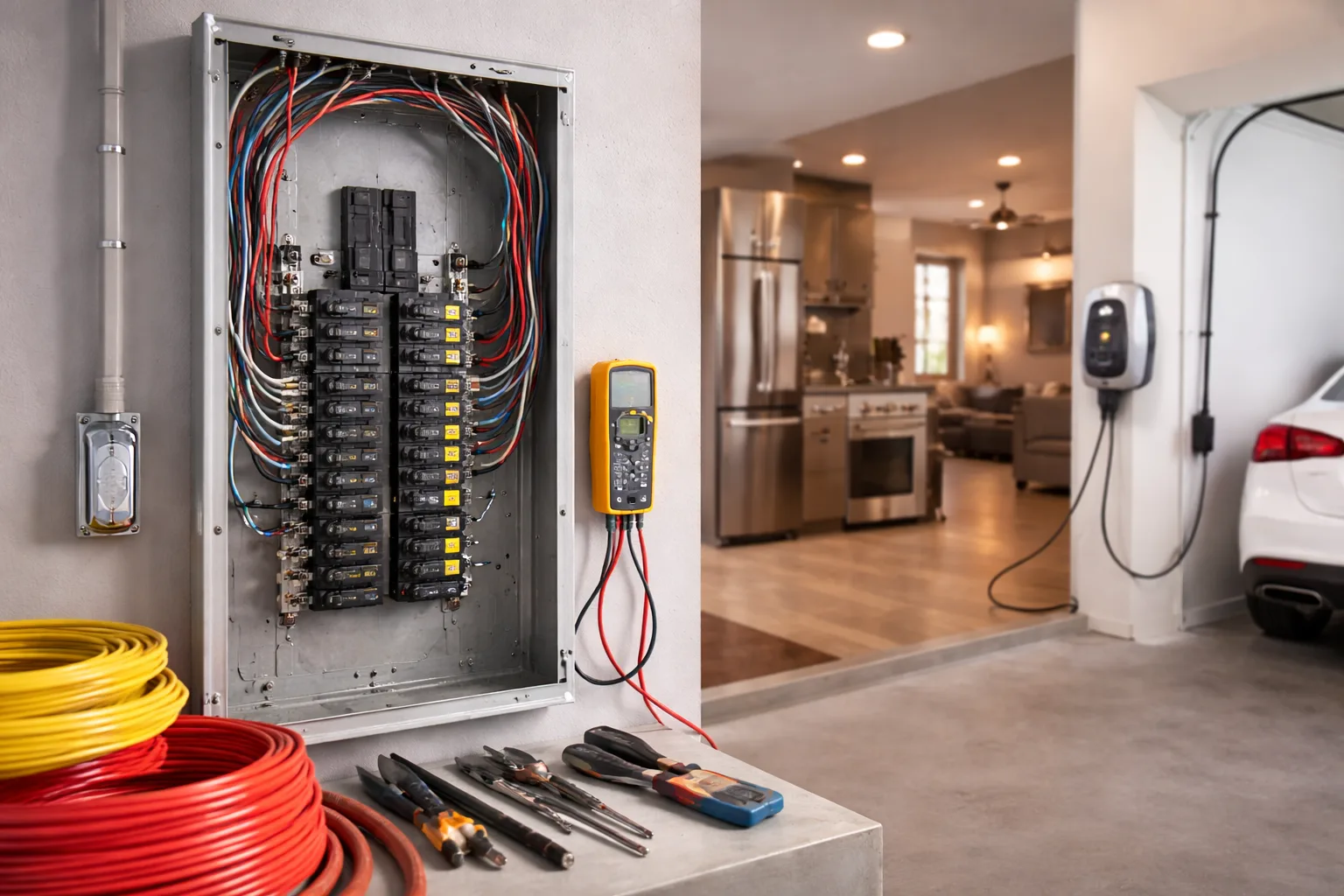
Your home’s electrical service capacity refers to the total amount of electricity your electrical panel can safely deliver at one time. This capacity is measured in amps, which is why electricians often refer to “100-amp service” or “200-amp service.”
The electrical panel distributes power from the utility company into the various circuits that run throughout your home. Each circuit is protected by a breaker designed to shut off electricity if the electrical load becomes unsafe.
The most common residential service sizes include:
- 100-amp service
- 150-amp service
- 200-amp service
Each level determines how many electrical devices your home can safely operate simultaneously.
Homes throughout Nassau County and Long Island often have a mix of these systems depending on when the house was built or renovated.
100-Amp Electrical Service
Many homes built before the 1980s in Nassau County still operate with 100-amp electrical panels. At the time these homes were constructed, electrical demand was significantly lower.
Typical electrical usage included:
- basic lighting
- refrigerators
- televisions
- small kitchen appliances
- washing machines
Large electrical loads such as central air conditioning systems, EV chargers, and modern electronics were far less common.
While a 100-amp panel may still function properly in some homes, it can quickly become overwhelmed by modern electrical usage.
Common signs that your electrical panel may be undersized include:
- breakers that trip frequently
- lights dimming when appliances turn on
- buzzing sounds near the electrical panel
- limited room for additional circuits
If you are experiencing these issues, a licensed electrician can determine whether your system needs repairs or upgrades. In some cases, electrical diagnosis and repair services can resolve minor issues, while other situations may require a larger electrical panel.
150-Amp Electrical Service
Some homes across Long Island were upgraded to 150-amp panels during renovations in the 1990s or early 2000s.
While this provides more electrical capacity than a 100-amp system, it may still struggle to support modern households with multiple high-power appliances.
A 150-amp system may support:
- central air conditioning
- electric dryers
- larger kitchen appliances
- multiple lighting circuits
However, modern upgrades such as EV chargers, hot tubs, and electric heating systems can push these panels beyond their safe operating capacity.
Because of these growing electrical demands, many electricians now recommend installing 200-amp service when upgrading electrical panels in Nassau County homes.
200-Amp Electrical Service (Modern Standard)
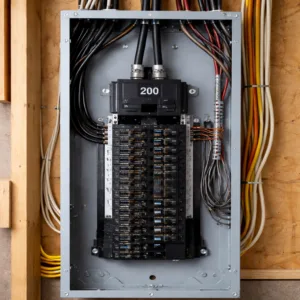
Today, 200-amp electrical panels are widely considered the standard for modern residential electrical systems.
A 200-amp panel allows homes to operate multiple high-power appliances at the same time while maintaining safe electrical distribution.
A properly installed 200-amp panel can support:
- central air conditioning systems
- electric ovens and ranges
- electric dryers
- EV chargers
- home office equipment
- pools or hot tubs
- modern kitchen appliances
Many homeowners upgrade their electrical panels before installing new equipment such as EV chargers or high-efficiency HVAC systems.
If you are planning a renovation or installing new appliances, it may be worth exploring electrical panel upgrades in Nassau County to ensure your home has sufficient electrical capacity.
Upgrading your panel can improve safety, increase home value, and provide flexibility for future electrical needs.
Home Electrical Capacity Estimator
Estimate How Much Electrical Power Your Home May Need
Use this simple tool to get a rough idea of whether your home may be fine with 100-amp service or whether a 150-amp or 200-amp panel may make more sense. This is an estimate only and does not replace a professional electrical load calculation.
Your Estimated Electrical Capacity
This tool is for general homeowner education only. A licensed electrician should perform a full load calculation before any electrical upgrade.
Why Electrical Demand Has Increased
Electrical consumption in modern homes has increased significantly over the past few decades.
Several factors contribute to this change.
Larger Homes
Homes built across Long Island today are often larger and include more electrical circuits, lighting fixtures, and outlets than homes built decades ago.
Increased Electronics
Modern households use far more electronic devices than previous generations.
Examples include:
- computers and laptops
- televisions and gaming systems
- wireless networking equipment
- security systems
- smart home devices
These devices run continuously and contribute to higher electrical demand.
Advanced HVAC Systems
Heating and cooling systems are one of the largest consumers of electricity in residential homes.
High-efficiency heat pumps and central air conditioning systems require significant electrical capacity.
Electric Vehicle Charging
Electric vehicles are becoming increasingly common across Nassau County and Long Island.
Installing a Level 2 charger at home can add a significant electrical load. Many homes require an electrical panel evaluation before installing EV charger installation services in Nassau County.
Signs Your Home May Need More Electrical Capacity
Your home may not have enough electrical capacity if you notice certain warning signs.
These issues often indicate that your electrical panel is operating near or beyond its safe limit.
Common signs include:
- frequent circuit breaker trips
- lights dimming when appliances start
- buzzing sounds from the electrical panel
- warm outlets or switches
- reliance on multiple extension cords
These problems should always be evaluated by a licensed electrician to ensure your system is operating safely.
Older Electrical Systems and Safety
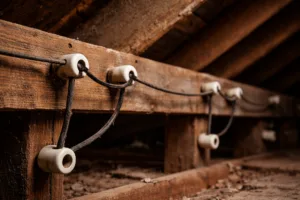
Some older homes across Nassau County still rely on outdated electrical systems such as fuse boxes or aging breaker panels.
These systems were not designed to support modern electrical loads and may pose safety concerns.
Upgrading older electrical panels can improve:
- electrical reliability
- system capacity
- overall home safety
Modern breaker panels also allow electricians to add additional circuits, which helps distribute electrical loads more evenly throughout the home.
Planning for Future Electrical Needs
Even if your electrical system appears to function properly today, planning for future upgrades can help prevent costly modifications later.
Homeowners often upgrade electrical panels before installing:
- EV chargers
- kitchen renovations
- central air conditioning
- heat pumps
- hot tubs or pools
Planning ahead ensures that your home has the electrical capacity needed to safely support these additions.
Professional Electrical Load Evaluations
Determining whether your home has enough electrical power requires a professional electrical evaluation.
Electricians perform load calculations to determine whether your current system can support your electrical usage safely.
These calculations consider:
- the square footage of the home
- HVAC equipment
- electric appliances
- lighting circuits
- EV charging needs
A licensed electrician can then recommend whether your current electrical system is sufficient or whether an electrical panel upgrade may be beneficial.
Trusted Electricians Serving Nassau County
For more than 50 years, Haines Electric has provided professional electrical services throughout Nassau County and the surrounding Long Island communities.
Our licensed electricians help homeowners with:
- electrical troubleshooting and repairs
- lighting installation
- generator installation
- electrical panel upgrades
- EV charger installations
If you're unsure whether your home has enough electrical capacity, our team can evaluate your system and recommend the safest solution for your needs.
Learn more about electrical panel upgrades in Nassau County or contact Haines Electric to schedule a professional electrical inspection.
FAQ
Frequently Asked Questions About Home Electrical Capacity
Learn how electrical service size affects safety, performance, and future upgrades in Nassau County homes.
How do I know if my home needs more electrical power?
Many homes across Nassau County and Long Island were built with electrical systems designed for lower power demands. If your home has frequent breaker trips, dimming lights, buzzing at the panel, or trouble running modern appliances, your electrical system may not have enough capacity.
A licensed electrician can perform a load calculation and inspect your panel, wiring, and circuits to determine whether your home needs repairs, added circuits, or a full panel upgrade.
Is 100-amp electrical service enough for a modern home?
In some smaller homes, 100-amp service may still be adequate. However, many modern households use significantly more electricity than older homes were designed for. Central air conditioning, electric dryers, updated kitchens, home offices, and EV chargers can quickly push a 100-amp panel to its limit.
If your home has older service and you plan to add major appliances or new electrical features, it is a smart idea to have your system evaluated by a licensed electrician.
What are the benefits of upgrading to a 200-amp electrical panel?
A 200-amp electrical panel gives your home more usable electrical capacity and helps support modern living. It can reduce overload issues, improve safety, allow for future upgrades, and better support large appliances and equipment.
Many Nassau County homeowners upgrade to 200 amps when remodeling, replacing outdated panels, adding central air, or preparing for EV charger installation.
Can I install an EV charger with a 100-amp panel?
Some homes can support an EV charger with 100-amp service, but many cannot without upgrades. It depends on your existing electrical load, panel capacity, and how much power your charger will require.
Before installing a Level 2 charger, a licensed electrician should inspect your system to determine whether your panel has enough capacity or if a panel upgrade is the safer long-term solution.
Why do circuit breakers trip when appliances turn on?
Breakers trip when a circuit is overloaded or when there is an electrical fault. This can happen if multiple high-demand appliances are running on the same circuit, or if there is a problem with the breaker, wiring, or panel.
If breakers trip often, it is a warning sign that should not be ignored. Repeated tripping may mean your home needs electrical repairs, dedicated circuits, or more overall service capacity.
How long does an electrical panel last?
Most electrical panels last around 25 to 40 years, depending on the brand, installation quality, electrical load, and maintenance history. As panels age, they can become less reliable and may struggle to support modern electrical demand.
If your panel is older, shows signs of wear, or you are experiencing power issues, it may be time to have it professionally inspected.