Modern homes use more electricity than ever before. Between EV chargers, high-efficiency HVAC systems, electric ranges, smart home devices, and home offices, the average electrical load has nearly doubled over the last two decades.
So it’s no surprise homeowners across Nassau County are asking:
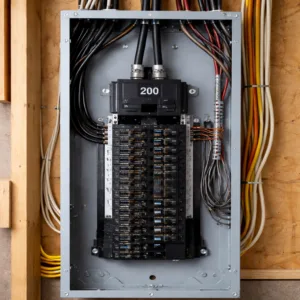
Do I need a 200-amp electrical panel?
The answer depends on your home’s age, appliances, future upgrade plans, and current electrical capacity. In this in-depth guide, we’ll break down exactly how to determine whether upgrading to a 200-amp panel is necessary — or simply smart planning.
What Does “200 Amps” Actually Mean?
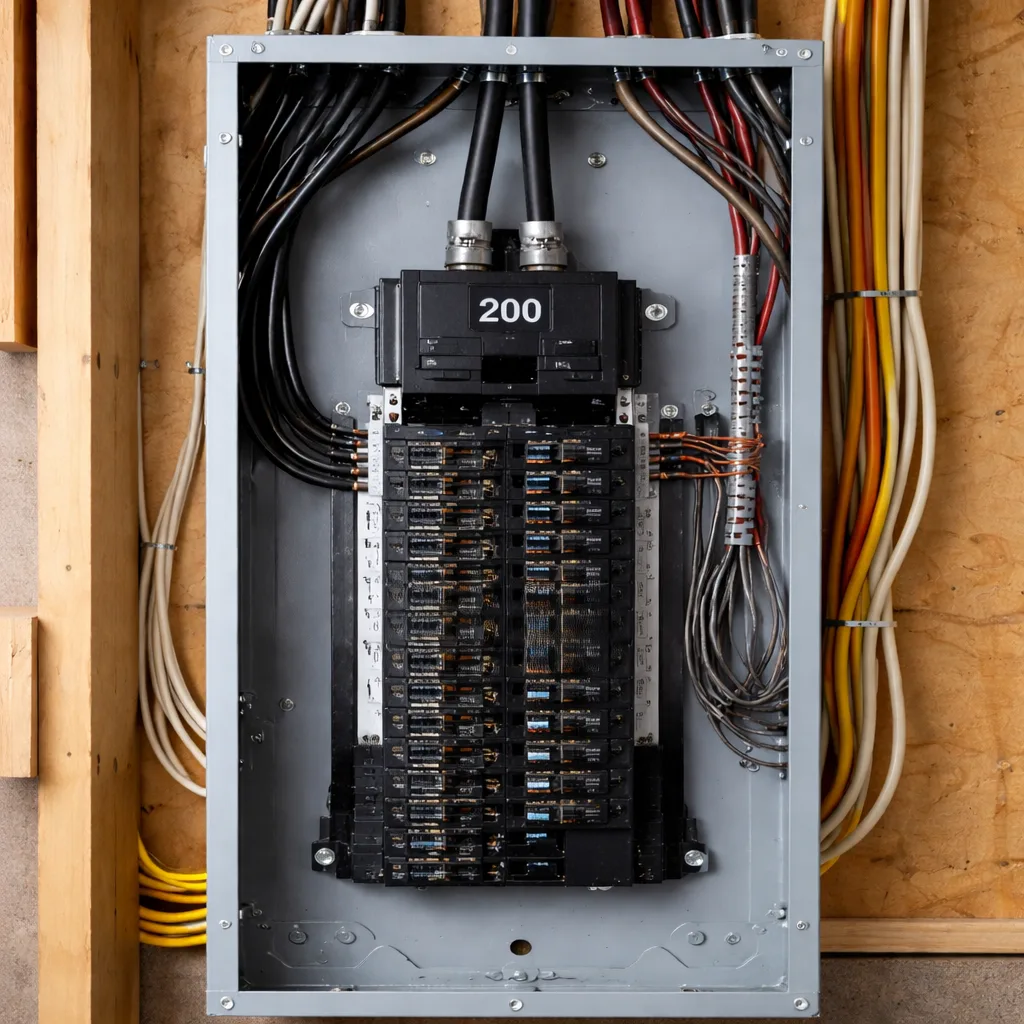
An electrical panel’s amperage rating represents the maximum amount of electrical current your home can safely handle at one time.
Think of amperage like the width of a highway:
- A 60-amp panel is a two-lane road.
- A 100-amp panel is a small highway.
- A 200-amp panel is a major interstate.
The more electrical “traffic” your home has, the wider that highway needs to be.
According to the U.S. Department of Energy, modern homes increasingly rely on electric heating, cooling, and vehicle charging systems — all of which require higher electrical capacity than homes built before 1980 were designed for.
(Source: https://www.energy.gov)
How Much Power Does the Average Modern Home Use?
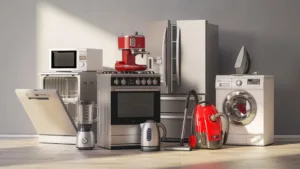
Today’s homes regularly run multiple high-demand appliances simultaneously. Here’s a realistic snapshot:
Common Appliance Electrical Load Chart
| Appliance | Average Amp Draw |
|---|---|
| Electric Range | 40–50 amps |
| Electric Dryer | 30 amps |
| Central Air Conditioning | 30–60 amps |
| Heat Pump | 30–60 amps |
| EV Charger (Level 2) | 40–60 amps |
| Tankless Water Heater | 60–120 amps |
| Hot Tub | 40–50 amps |
| Microwave | 10–15 amps |
| Refrigerator | 6–8 amps |
Now imagine several of these running at once — while lights, TVs, computers, and outlets are also drawing power.
This is where many 100-amp systems reach their limit.
Signs You May Need a 200-Amp Panel
You don’t always need to wait for a major failure. Your home usually gives warning signs.
🚨 Common Indicators of Insufficient Electrical Capacity
- Breakers trip frequently
- Lights dim when appliances turn on
- Panel has no space for additional circuits
- You still have a fuse box
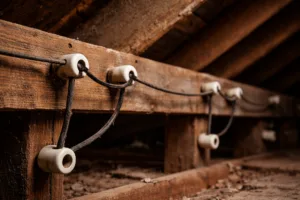
- Your home was built before 1985
- You’re adding central air, EV charging, or electric heating
- Insurance company flags your panel during underwriting
If two or more of these apply, it’s time for a professional load evaluation.
Panel Size Comparison: 60A vs 100A vs 200A
| Panel Size | Typical Era | Suitable For | Upgrade Likelihood |
|---|---|---|---|
| 60 amps | Pre-1960 | Minimal loads | Very high |
| 100 amps | 1960–1990 | Moderate appliance use | High |
| 150 amps | 1990–2005 | Limited expansion | Moderate |
| 200 amps | Modern standard | EVs, HVAC, electric upgrades | Low |
In Nassau County, many homes still operate on 100-amp systems that were never intended to handle EV chargers or electric heat pumps.
Why 200 Amps Is the Modern Standard in 2026
1️⃣ Electrification Trends
New York’s climate goals are accelerating the shift toward electric heating and transportation. As gas systems are phased down, more homeowners are installing:
- Heat pumps
- Electric water heaters
- Induction cooktops
- EV charging stations
Each of these increases demand on the panel.
2️⃣ Smart Homes & Backup Power
Whole-home generators, battery storage systems, and smart panels require additional circuit capacity.
3️⃣ Real Estate & Insurance Considerations
Many insurance companies now require updated panels, especially when homes contain older brands known for safety concerns.
The National Fire Protection Association (NFPA) reports that electrical distribution systems are a leading cause of residential fires when outdated or overloaded.
(Source: https://www.nfpa.org)
Upgrading improves safety and insurability.
When You Probably Don’t Need a 200-Amp Panel
Not every home requires an upgrade.
You may not need 200 amps if:
- Your home is under 1,500 square feet
- You use natural gas for heat, stove, and water heater
- You don’t plan to install an EV charger
- Your existing 100-amp panel has ample unused capacity
- A load calculation confirms sufficient headroom
This is why a licensed electrician performs a formal load calculation before recommending upgrades.
The Load Calculation Process Explained
An electrical load calculation considers:
- Square footage
- Existing circuits
- Appliance wattage
- Heating and cooling systems
- Future electrical plans
- Code-required demand factors
At Haines Electric, panel upgrade decisions are based on NEC (National Electrical Code) load formulas — not guesswork.
Cost of a 200-Amp Panel Upgrade in Nassau County
Costs vary depending on:
- Panel location
- Service entrance condition
- Utility coordination
- Permit requirements
- Grounding upgrades
- Surge protection additions
💰 Typical Cost Range (2026)
| Upgrade Type | Estimated Range |
|---|---|
| Basic 200A Upgrade | $2,500 – $4,500 |
| Service Mast Replacement | $500 – $1,500 |
| Meter Socket Upgrade | $300 – $800 |
| Whole-Home Surge Protection Add-On | $300 – $600 |
While not inexpensive, panel upgrades typically last 30–40 years and increase home value.
Benefits of Upgrading to 200 Amps
✔ Supports EV charging
✔ Prevents overload issues
✔ Increases home resale value
✔ Reduces fire risk
✔ Simplifies future upgrades
✔ Improves insurance eligibility
✔ Adds space for new circuits
✔ Allows smart panel integration
A panel upgrade isn’t about using more electricity — it’s about safely handling what you already use.
Does a 200-Amp Panel Lower My Electric Bill?
No — the panel doesn’t reduce usage. However, it:
- Prevents inefficiencies caused by overloaded circuits
- Allows high-efficiency appliances to run properly
- Supports smart energy monitoring systems
Energy savings come from appliance efficiency, not panel size.
For energy-saving strategies, see the U.S. Department of Energy’s residential guidance:
https://www.energy.gov/energysaver
Permits and Inspections in Nassau County
Electrical panel upgrades require:
- Licensed electrician
- Permit filing
- Utility coordination
- Final inspection
Unpermitted upgrades can cause resale issues and insurance complications.
Future-Proofing Your Home
If you plan to:
- Buy an EV
- Install solar
- Add central air
- Remodel your kitchen
- Finish a basement
- Add a hot tub
- Install a whole-home generator
Upgrading to 200 amps now prevents paying for two upgrades later.
Frequently Asked Questions
How long does a 200-amp upgrade take?
Most installations are completed in one day, though utility coordination may require scheduling.
Will power be shut off?
Yes — temporarily during replacement.
Is it worth upgrading before selling?
In many cases, yes. Updated panels increase buyer confidence and prevent inspection issues.
Can I upgrade just to add one appliance?
Possibly — but a load calculation determines necessity.
What if my panel brand is outdated or recalled?
Certain brands have known safety concerns. Replacement may be recommended regardless of amperage.
Final Answer: Do You Need a 200-Amp Electrical Panel?
If your home is older, you’re adding high-demand appliances, or your breakers are frequently tripping, the answer is often yes.
If your electrical usage is modest and your system has capacity, you may not need an upgrade — yet.
The safest way to know is through a professional load evaluation.
To schedule a panel assessment in Nassau County, contact Haines Electric:
👉 https://ehhaineselectric.com/contact/