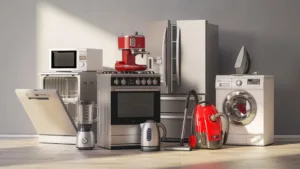
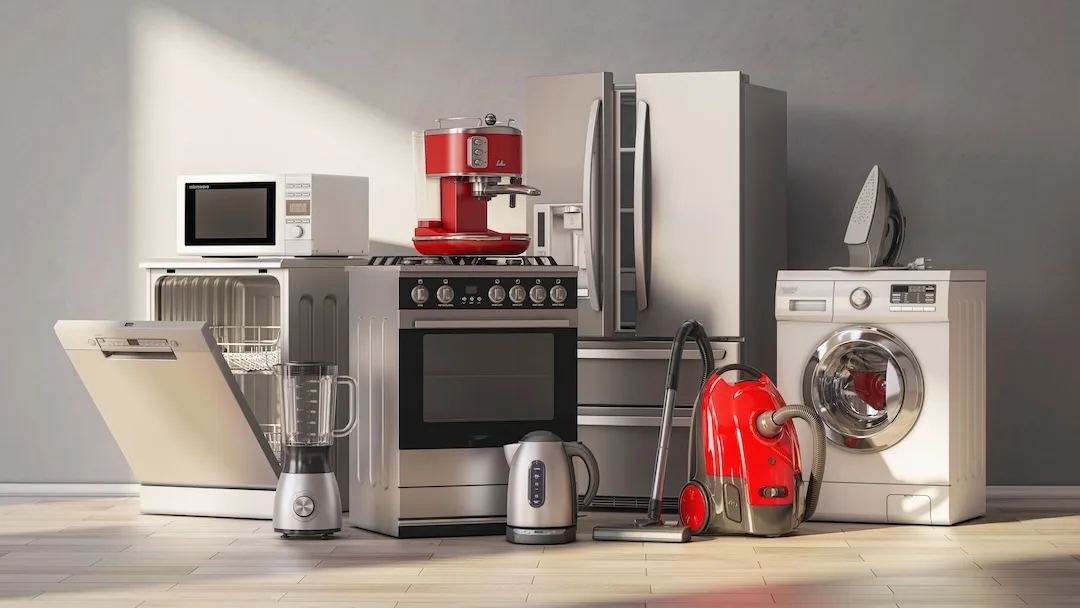
Adding new appliances is one of the most common ways homeowners modernize their homes. From electric ranges and dryers to heat pumps and EV chargers, today’s appliances are more powerful — and more demanding — than ever before.
What many Nassau County homeowners don’t realize is that these upgrades often require more than just plugging something in. In many cases, they require an electrical panel upgrade to keep the home safe, compliant, and reliable.
This guide explains how electrical panels work, why new appliances change your electrical load, and how to know when an upgrade is the right move.
How Your Electrical Panel Limits What You Can Add
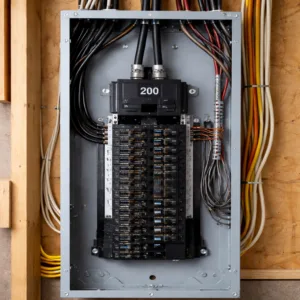
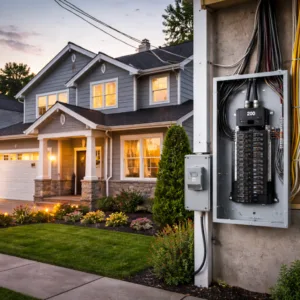
Your electrical panel is the control center for your home’s electricity. Every circuit, outlet, and appliance depends on it to safely distribute power. Older panels were designed for a time when homes used far fewer electrical devices.
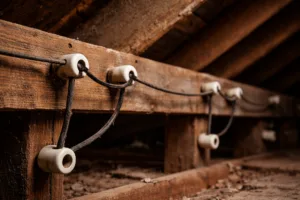
In Nassau County, it’s still common to find homes with 60-amp or 100-amp panels. These systems worked decades ago, but they struggle to support modern living — especially when multiple high-demand appliances run at the same time.
When demand exceeds what the panel can safely handle, breakers trip, lights dim, and wires can overheat behind the walls.
Why Modern Appliances Change the Equation
Even energy-efficient appliances often draw more power than older models because they perform more tasks and run longer cycles. Many also require dedicated circuits, which take up physical space in your panel.
Instead of thinking about appliances individually, electricians look at total electrical load — what happens when appliances operate simultaneously during real daily use.
Typical Electrical Demand by Appliance
| Appliance | Typical Load |
|---|---|
| Electric Range / Oven | 40–50 amps |
| Electric Dryer | 30 amps |
| Central Air or Heat Pump | 30–60 amps |
| Tankless Water Heater | 60–120 amps |
| EV Charger (Level 2) | 40–60 amps |
| Hot Tub / Pool Equipment | 40–60 amps |
When these are added to existing lighting, outlets, and electronics, older panels quickly reach their limits.
How Electricians Decide If an Upgrade Is Necessary
Rather than guessing, a licensed electrician performs a load calculation. This standardized evaluation determines how much electricity your home uses and how much capacity your panel can safely provide.
The calculation accounts for square footage, existing circuits, appliance wattage, heating and cooling systems, and future plans. This prevents both undersized systems and unnecessary upgrades.
At Haines Electric, load calculations are used to determine whether your current panel can safely support new appliances — or if an upgrade is the safer, smarter option.
Warning Signs Your Panel Is Already Overloaded
Most electrical panels show warning signs long before serious failure occurs. These are often mistaken for minor inconveniences but should never be ignored.
If your lights flicker when appliances start, breakers trip frequently, or your panel has no room for new circuits, your system may already be under strain. Homes with fuse boxes or panels older than 25–30 years are especially likely to need upgrades.
These signs indicate that your panel is operating close to — or beyond — its intended capacity.
What Happens If You Add Appliances Without Upgrading
Adding new appliances without sufficient electrical capacity can create serious risks. Wires may overheat, breakers may fail to protect circuits properly, and appliances may suffer premature damage.
There are also hidden consequences. Insurance companies often flag outdated panels when high-demand appliances are present. During home sales or renovations, undersized or unpermitted electrical systems can cause failed inspections or delayed closings.
Addressing the panel early avoids these costly setbacks.
Why 200-Amp Panels Are the Modern Standard
Most modern homes and major renovations use 200-amp electrical panels. This size provides enough capacity for today’s appliances while allowing room for future upgrades.
Electrical Panel Size Comparison
| Panel Size | Typical Use |
|---|---|
| 60 amps | Very old homes with minimal usage |
| 100 amps | Older homes with limited appliances |
| 150 amps | Transitional systems with little expansion |
| 200 amps | Modern homes with EVs, HVAC, and future growth |
A 200-amp panel doesn’t increase electricity usage — it simply allows your system to operate safely without overload.
Projects That Commonly Trigger Panel Upgrades
Panel upgrades are often required when homeowners install EV chargers, central air systems, heat pumps, electric dryers, or whole-home generators. Kitchen remodels and home additions also increase electrical demand significantly.
Upgrading the panel first prevents delays, failed inspections, and last-minute changes during major projects.
Permits and Code Requirements in Nassau County
Electrical panel upgrades require permits and inspections under New York State and Nassau County regulations. These ensure proper grounding, bonding, breaker sizing, and overall system safety.
Working with a licensed electrician ensures the work is documented, code-compliant, and approved — protecting you during resale, refinancing, or insurance reviews.
Why Upgrading Early Saves Money and Stress
Proactive panel upgrades reduce the risk of emergency repairs, power outages, and appliance damage. They also make future upgrades — like smart home features, outdoor lighting, or backup generators — much easier to install.
Most homeowners are surprised to learn that a panel upgrade is often completed in a single day, with benefits that last for decades.
Final Thought: Check the Panel Before You Buy the Appliance
Before investing in new appliances, make sure your electrical system is ready. A professional evaluation can prevent safety risks, protect your investment, and ensure your home meets modern standards.
To schedule a panel assessment or upgrade, contact Haines Electric:
👉 https://ehhaineselectric.com/contact/