Knob-and-tube wiring is one of the most common legacy electrical systems still found in Long Island homes, particularly in houses built before World War II. While it was once considered safe and effective, this wiring system was never designed for modern electrical loads, winter demand, or today’s safety standards.
If you live in an older neighborhood in Nassau County or western Suffolk County, understanding knob-and-tube wiring is critical for home safety, insurance approval, and resale value.
Why Knob-and-Tube Wiring Is So Common on Long Island
Long Island experienced major housing growth in the early 1900s, long before modern electrical codes existed. Many homes in areas such as:
- Hempstead
- Garden City
- Rockville Centre
- Freeport
- Huntington
- Port Washington
were built before 1940, when knob-and-tube wiring was the standard.
📊 Estimated Age of Homes in Long Island Housing Stock
(illustrative housing distribution used for homeowner education)
| Construction Period | Estimated % of Homes |
|---|---|
| Pre-1940 | ~28% |
| 1940–1969 | ~34% |
| 1970–1999 | ~23% |
| 2000–Present | ~15% |
👉 This means over 60% of Long Island homes were built during eras when grounding, AFCI, and GFCI protection were not required.
What Is Knob-and-Tube Wiring? (Technical Breakdown)
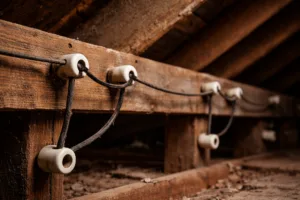
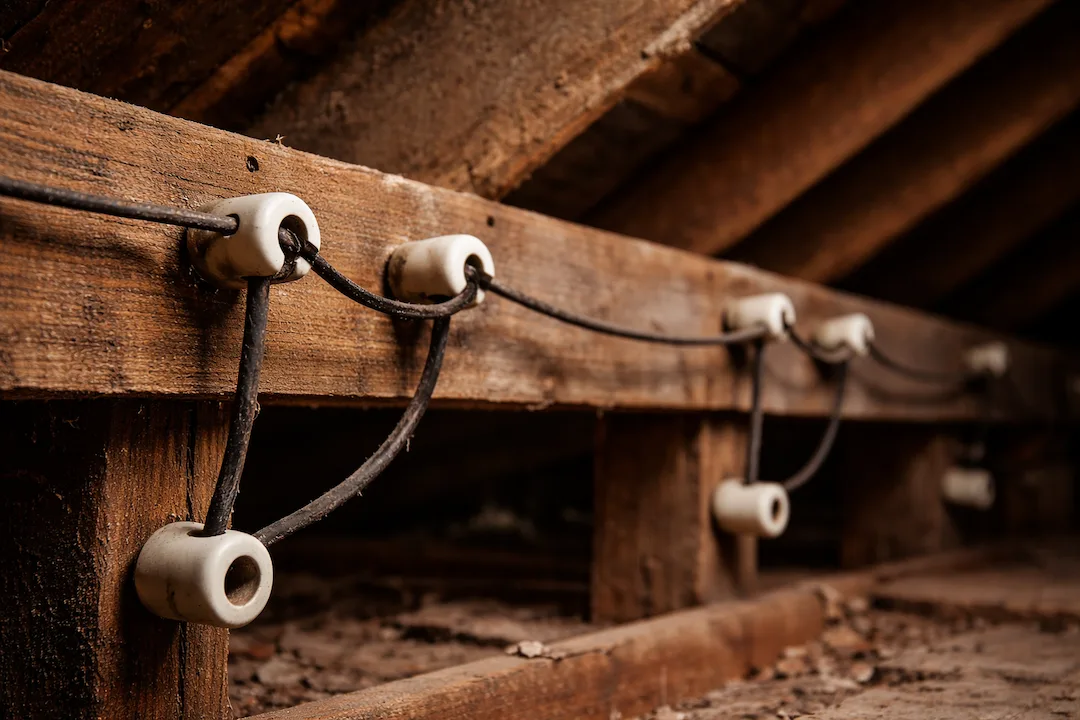
Knob-and-tube wiring consists of:
- Single insulated copper conductors
- Porcelain knobs to suspend wires away from framing
- Porcelain tubes to protect wires passing through wood
Key differences from modern wiring:
- ❌ No equipment grounding conductor
- ❌ No bundled cable protection
- ❌ No compatibility with insulation
- ❌ No surge or arc-fault protection
Originally, the system relied on open air to dissipate heat — a condition no longer present in most insulated homes.
Why Knob-and-Tube Wiring Becomes a Winter Hazard
Winter exposes weaknesses in older electrical systems faster than any other season.
❄️ Cold Weather Effects
- Metal conductors contract, loosening aged connections
- Brittle insulation cracks more easily
- Moisture intrusion increases from snow and ice
🔥 Winter Electrical Load Increase
Older wiring struggles with:
- Space heaters
- Electric blankets
- Furnace blowers
- Holiday lighting
- Home offices and modern kitchens
This combination significantly increases the risk of:
- Overheating conductors
- Electrical arcing
- Breaker or fuse failure
- Fire inside walls or attics
Why Knob-and-Tube Wiring Is a Safety Concern Today
1️⃣ No Grounding
Without grounding:
- Shock risk is higher
- Surge protection is ineffective
- Three-prong outlets are unsafe without modification
2️⃣ Aging Insulation
After decades of heat cycles, rubber insulation often becomes:
- Brittle
- Cracked
- Exposed
This is a major cause of hidden electrical fires.
3️⃣ Improper Modifications Over Time
Many older homes have had:
- Modern wiring spliced onto knob-and-tube
- Breakers upgraded without rewiring
- Insulation installed over active K&T
These modifications dramatically increase risk.
Insurance & Real Estate Issues on Long Island
🏠 Home Insurance
Many insurers:
- Refuse new policies on active knob-and-tube
- Require full or partial removal
- Increase premiums due to fire risk
🏡 Home Sales
During real estate transactions:
- Home inspectors flag K&T immediately
- Buyers request rewiring credits
- Sales are delayed or renegotiated
How to Tell If Your Long Island Home Has Knob-and-Tube Wiring
Common indicators:
- Home built before 1940
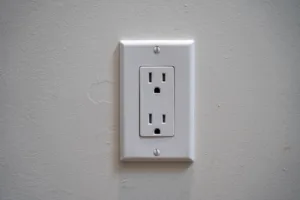
- Two-prong outlets
- Porcelain knobs visible in attic/basement
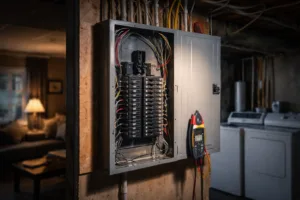
- Fuse boxes or early breaker panels
⚠️ Do not touch exposed wiring. Only a licensed electrician should inspect it.
If your home still has older wiring or outdated outlets, upgrading to AFCI-protected outlets and switches is one of the most effective ways to reduce fire risk.
AFCI (Arc Fault Circuit Interrupter) devices are designed to detect dangerous arcing conditions that traditional breakers often miss, a common issue in aging wiring systems like knob-and-tube.
👉 Learn more about upgrading electrical outlets and switches with AFCI protection for older homes
This upgrade is often recommended during inspections, panel upgrades, or partial rewiring projects in older Long Island homes.
Your Options as a Homeowner
| Option | When It Makes Sense |
|---|---|
| Electrical inspection | First step for any older home |
| Partial rewiring | Targeting kitchens, bedrooms, heaters |
| Full rewiring | Best for safety, resale, insurance |
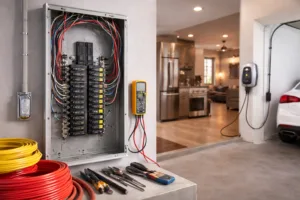
| Panel upgrade | Required when increasing capacity |
| GFCI / AFCI upgrades | Essential for modern code safety |
How Haines Electric Helps Older Long Island Homes
Haines Electric specializes in legacy wiring systems and older homes, offering:
- Knob-and-tube identification & testing
- Safe rewiring strategies
- Panel and grounding upgrades
- Insurance documentation support
- Winter-focused safety inspections
We understand Long Island housing — and how to modernize it without damaging historic character.
👉 Schedule an inspection at https://ehhaineselectric.com
FAQs: Knob-and-Tube Wiring
Is knob-and-tube wiring illegal in New York?
No, but it often fails to meet modern safety expectations and insurance requirements.
Can it be left in place?
Sometimes — but only if untouched, uninsulated, and lightly loaded (rare in real homes).
Does winter make it more dangerous?
Yes. Cold, moisture, and increased electrical demand significantly raise risk.
Is rewiring worth the cost?
Absolutely. It improves safety, insurability, resale value, and peace of mind.
Conclusion: A Long Island Reality That Deserves Attention
Knob-and-tube wiring isn’t just an old-house issue — it’s a Long Island–specific reality.
With so many homes built before modern codes, proactive electrical upgrades are one of the smartest investments homeowners can make.
🔌 Contact Haines Electric to find out whether knob-and-tube wiring is still active in your home — and what your safest next step should be.