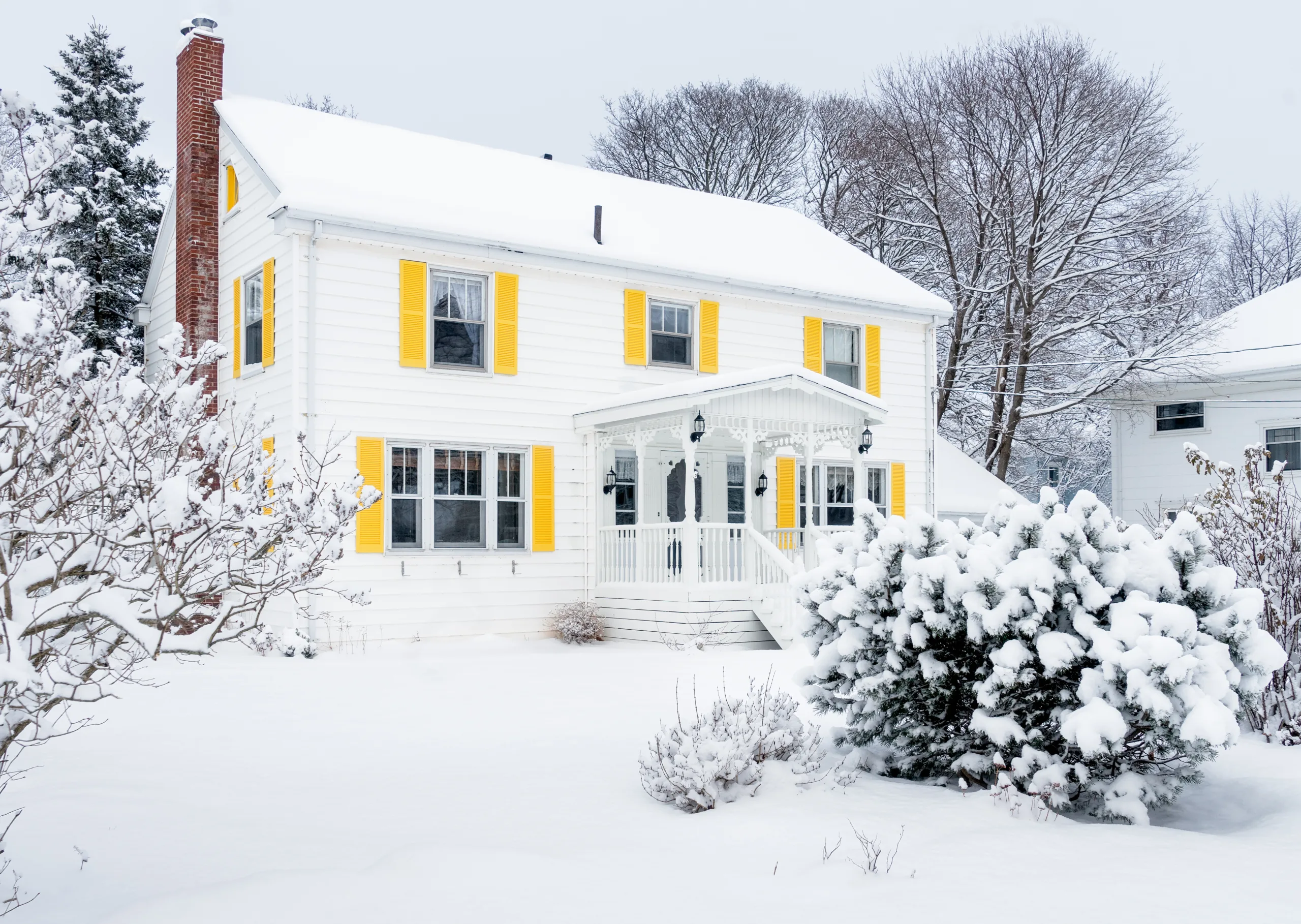
Older homes have charm, character, and history — but when winter arrives, they also face unique electrical challengesthat newer homes are better equipped to handle.
Cold temperatures, increased power demand, and winter storms can expose hidden weaknesses in aging electrical systems, leading to tripped breakers, flickering lights, or even fire hazards.
If your Long Island home was built before the 1980s, understanding these risks is critical to staying safe during the winter months.
How Winter Stresses Electrical Systems in Older Homes
Winter places more strain on your electrical system than any other season. In older homes, that stress often exceeds what the original wiring and panels were designed to handle.
Common winter stressors include:
- Space heaters and electric blankets
- Furnace blowers and supplemental heating
- Longer lighting usage due to shorter days
- Holiday decorations and outdoor lighting
- Increased moisture from snow and ice
When these loads hit outdated wiring or undersized panels, problems appear fast.
Outdated Wiring Materials Are a Major Risk
Aging Copper and Aluminum Wiring
Homes built decades ago may still rely on wiring that has:
- Brittle insulation
- Corrosion at connection points
- Aluminum conductors prone to overheating
Cold temperatures cause metal to contract, loosening already weakened connections. Loose connections increase resistance, which generates heat — one of the leading causes of electrical fires.
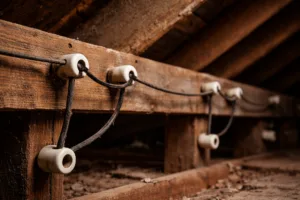
Knob-and-Tube Wiring
Some older Long Island homes still contain remnants of knob-and-tube wiring.
While legal in limited situations, it:
- Lacks grounding
- Can’t support modern electrical loads
- Is unsafe when paired with insulation
Winter heating demands often push this wiring beyond safe limits.
Electrical Panels Were Not Designed for Modern Winter Loads
Undersized Service Capacity
Many older homes operate on 60-amp or 100-amp panels, which were never designed to power:
- Multiple space heaters
- Modern kitchens
- Home offices
- Smart devices and security systems
In winter, when usage peaks, these panels struggle — causing frequent breaker trips or overheating.
Aging Breakers and Fuse Boxes
Older breakers weaken over time, and fuse boxes:
- Don’t shut off power as quickly
- Are often overloaded with incorrect fuse sizes
- Increase fire risk during cold-weather demand spikes
Moisture Intrusion Is More Common in Older Homes
Winter weather introduces moisture through:
- Snowmelt near exterior outlets
- Cracked siding or foundations
- Older, unsealed electrical boxes
When moisture reaches wiring or outlets, it can cause:
- Short circuits
- GFCI trips
- Corrosion inside panels
Newer homes are required to have weatherproof covers and GFCI protection — many older homes are not.
Lack of Modern Safety Devices
Older homes often lack today’s required protections, including:
- GFCI outlets (ground fault protection)
- AFCI breakers (arc fault protection)
- Whole-home surge protection
Without these safeguards, winter electrical problems are more likely to result in:
- Shock hazards
- Fire risks
- Damaged appliances during storms
Common Winter Electrical Problems in Older Homes
| Issue | Why It Happens in Older Homes |
|---|---|
| Breakers tripping | Undersized panels + heater overload |
| Flickering lights | Loose connections or aging wiring |
| Warm outlets | Resistance from degraded conductors |
| Burning smells | Overheated wires or loose terminals |
| Outdoor outlet failures | No GFCI or weather protection |
If you notice any of these signs, it’s time for a professional inspection.
Why Winter Is When Problems Finally Show Up
Many electrical issues stay hidden during warmer months.
Winter reveals them because:
- Electrical demand increases sharply
- Cold causes contraction in wiring and connections
- Moisture accelerates corrosion
- Storms introduce surges and outages
In short, winter exposes what time has already weakened.
How Haines Electric Helps Protect Older Homes
Haines Electric specializes in upgrading and safeguarding older Long Island homes, with services including:
🔧 Winter Electrical Inspections
We identify:
- Loose or overheating connections
- Moisture intrusion points
- Panel capacity issues
- Outdated wiring risks
⚡ Panel Upgrades
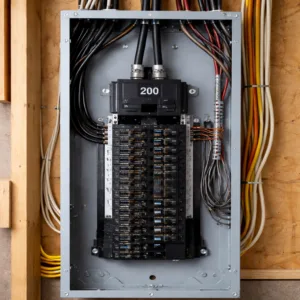
Upgrading to a 200-amp panel ensures your home can safely handle winter loads.
🔌 GFCI, AFCI & Surge Protection
We bring older homes up to modern safety standards — especially for kitchens, bathrooms, and outdoor outlets.
🚨 Emergency Electrical Repairs
If winter weather causes outages or hazards, our licensed electricians respond quickly.
👉 Learn more or schedule an inspection at https://ehhaineselectric.com
FAQs About Older Homes and Winter Electrical Safety
Q1. Are older homes more likely to have electrical fires in winter?
Yes. Aging wiring, loose connections, and increased heater use significantly raise fire risk.
Q2. Is it safe to use space heaters in older homes?
Only with caution. Heaters should be plugged directly into dedicated outlets — never extension cords.
Q3. Should I upgrade my electrical panel before winter?
If your home has frequent breaker trips or a 100-amp panel, upgrading before winter is strongly recommended.
Q4. Can cold weather damage wiring?
Cold accelerates wear by loosening connections and increasing resistance in already-aged wiring.
Q5. How often should older homes have electrical inspections?
Every 3–5 years — and before winter if issues are suspected.
Conclusion: Protect Your Home’s History — and Its Safety
Older homes deserve special care, especially in winter.
What makes them beautiful — age and character — also makes them more vulnerable to electrical problems when cold weather hits.
A professional inspection, panel upgrade, or safety retrofit can prevent costly damage and keep your family safe all season long.
🔌 Contact Haines Electric today to winter-proof your older home and enjoy peace of mind through the coldest months.