Understanding Why Circuit Breakers Trip in Winter
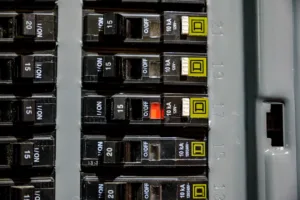
A breaker that keeps tripping in winter needs attention. Extra heater use can overload a circuit, but damaged wiring, a faulty appliance, or moisture can also be responsible. Stop using the affected circuit if trips recur and arrange an electrical assessment. If there is smoke, fire, active sparking, or immediate danger of shock, leave the area and call 911 first.
What Does a Circuit Breaker Actually Do?
A circuit breaker interrupts power when it detects an overload or short circuit, helping protect the circuit’s wiring from overheating. Some breakers also provide ground-fault or arc-fault protection.
Extra heating devices and seasonal lights can increase the load on your circuits in winter. A trip is a warning to find the cause; repeatedly resetting the breaker does not fix the problem.
Winter Electrical Demand: The Hidden Culprit
Winter can bring additional use of:
- Space heaters in bedrooms and living rooms
- Electric blankets, heated mattress pads
- Additional use of dryers, dehumidifiers, and ovens
- Decorative lighting or outdoor inflatables
Power use varies by device, but portable heaters and other high-wattage appliances can put a heavy load on a shared circuit. Even newer homes can experience trips when too many devices run on the same circuit.
Common Causes of Winter Breaker Trips
The following are common possibilities to discuss with an electrician. The timing of a trip can help with diagnosis, but it does not identify the cause on its own.
1. Overloaded Circuits from Heaters and Appliances
A portable space heater can use much of a household circuit’s available capacity. Running it alongside another heater or high-wattage appliance on the same circuit can cause an overload. Two outlets in different parts of a room may still share one circuit.
Warning signs that deserve attention include:
- Breaker trips when heaters or dryers start
- Dimming lights when turning on multiple devices
- Warm wall outlets
What to do: Stop using high-wattage devices on the affected circuit. Unplug them only if the plugs and outlets are dry, cool, undamaged, and safe to reach. Do not test a suspect appliance in another outlet.
If trips recur: Leave the circuit off and have a licensed electrician assess the load, wiring, and appliances. A dedicated circuit may be appropriate after that assessment.
2. Faulty Wiring or Loose Connections
Wiring problems in Long Island homes can include:
- Damaged or deteriorated wire insulation
- Corroded connections
- Rodents damaging insulation in attics or crawl spaces
Loose or damaged connections can overheat, especially as electrical use increases. A breaker does not detect every unsafe condition, so burning odors, heat, or discoloration need attention even if power stays on.
Solution: Arrange electrical troubleshooting and repairs to identify the cause. Do not remove electrical covers or attempt wiring repairs yourself.
3. Moisture and Condensation in Outdoor Panels
Winter storms, freezing rain, or snowmelt can enter exterior electrical boxes, leading to short circuits or ground-fault trips.
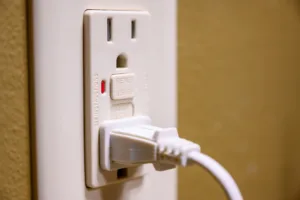
GFCI protection is designed to reduce shock risk by detecting current leaking from its intended path. It does not make wet or damaged electrical equipment safe to touch, and it does not protect against every electrical hazard.
Solution: Stay clear of wet or damaged outlets, electrical boxes, and panels. Do not touch, dry, reset, or energize affected equipment. Have a qualified electrician evaluate it and repair weather protection before use.
4. Old or Weak Breakers
A breaker can develop a fault, but repeated trips can also mean it is correctly responding to a problem elsewhere in the circuit. Age alone does not tell you whether a breaker needs replacement.
Solution: Have an electrician diagnose the circuit and breaker before recommending a repair or replacement. Never install a higher-rated breaker to stop nuisance trips.
5. Appliance Faults
Sometimes the problem isn’t the breaker at all.
A short in a space heater, coffee maker, or power strip can draw excess current and cause immediate trips.
What to do: Stop using the suspect appliance. If it is safe to do so, unplug it and arrange qualified repair or replacement. Do not move it to another outlet to reproduce the fault.
How to Know When It’s a Bigger Problem
Frequent Tripping in One Area
If one room or circuit loses power repeatedly, leave the affected circuit off and arrange diagnosis. An overload, appliance fault, wiring issue, or protective-device problem could be involved.
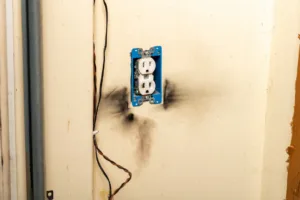
Burning Odor or Scorch Marks
A burning smell or scorch marks can signal overheating or arcing. Do not touch the affected equipment or approach an unsafe panel to turn it off. For smoke, fire, active sparking, or immediate shock danger, leave the area and call 911. Once it is safe, contact Haines Electric for 24/7 emergency electrical help.
Dimming or Flickering Lights
Persistent or new flickering can have several causes, including appliance startup demand or loose connections. An electrician can determine the cause; flickering alone does not prove that the service panel is undersized.
DIY Troubleshooting: Safe First Steps
Keep these checks visual and non-invasive. If there is heat, smoke, a burning odor, sparking, buzzing, water, visible damage, or shock risk, stay away from the equipment and get help. Never remove a panel cover or touch wiring.
- Stop Using the Affected Circuit
Turn off connected devices. Unplug them only when the equipment and outlet are dry, cool, undamaged, and safe to reach. - Do Not Keep Resetting a Tripping Breaker
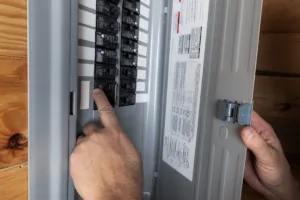
If a breaker has tripped repeatedly, will not reset, or the cause is unclear, leave it off and contact an electrician. Do not force or hold a breaker on. - Stay Clear of Moisture or Ice
Observe from a safe distance. Do not touch or dry wet outlets, panels, cords, or equipment, and do not restore power to water-damaged equipment before professional evaluation. - Note What Was Running
Tell your electrician which devices were in use when the trip occurred. Do not turn them back on to recreate the problem. After repairs, ask about identifying shared circuits.
When to Call a Licensed Electrician
Sometimes, the issue lies beyond simple fixes.
Call Haines Electric if you notice any of the following:
Recurring Trips Even After Resetting
Leave the affected circuit off until it is assessed. Recurring trips can indicate an overload, damaged wiring, a faulty appliance, or another problem that needs diagnosis.
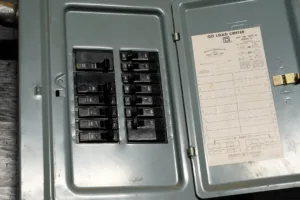
Old Electrical Panels
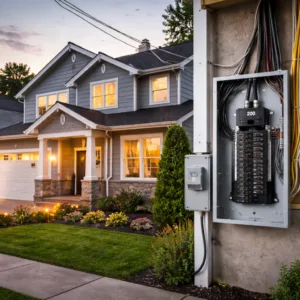
A 100-amp service does not automatically need replacement. An electrician can review the panel’s condition and calculate the home’s electrical load before recommending a panel or service upgrade. A circuit repair or dedicated circuit may address the problem without a full upgrade.
Burning Smell or Buzzing Panel
Stay away from the panel and call for urgent help. Do not approach it to switch off power if it is hot, wet, sparking, smoking, or visibly damaged. For fire, smoke, active sparking, or immediate shock danger, leave the area and call 911 first.
Whole-Home Electrical Inspections
A pre-winter electrical assessment can identify concerns such as damaged connections, corrosion, overloaded circuits, and moisture entry points. Discuss any planned heaters or new electrical equipment so recommendations reflect how you use the home.
A Short Winter Electrical Safety Checklist
- Plug a portable electric heater into a suitable wall outlet directly; do not use an extension cord or power strip. Follow its instructions and avoid sharing that circuit with another high-wattage appliance.
- Keep heaters at least three feet from bedding, curtains, furniture, and other combustible materials. Turn them off before sleeping or leaving them unattended.
- Check seasonal lights and cords for damage before use. Use outdoor-rated products outside, follow connection limits, and use GFCI-protected outdoor outlets. Read our outdoor holiday-lighting safety guide.
- Arrange professional assessment for repeated trips, hot or discolored outlets, damaged weatherproof covers, or persistent flickering. Do not wait for a total outage.
Haines Electric: Trusted Electrical Experts Serving Long Island
Haines Electric is a family-owned electrical company serving Nassau County on Long Island since 1971.
We provide:
- Residential & Emergency Electrical Services
- Panel Upgrades & Circuit Repairs
- Whole-Home Electrical Inspections
- Backup Generator Installation
Our licensed electricians can diagnose the problem, explain the available options, and recommend work based on your home’s condition and electrical needs.
Planning ahead for winter? Request an electrical assessment or call (516) 432-4114.
FAQs About Circuit Breakers and Winter Power Issues
Q1. Why does my breaker trip only during the winter?
Extra heater use and seasonal electrical loads can overload a circuit. Moisture, faulty equipment, or wiring problems are other possibilities. Repeated trips need diagnosis rather than repeated resets.
Q2. Can cold weather damage breakers?
Do not assume a trip is caused by cold alone. Added electrical load, moisture entry, damaged equipment, or a circuit fault can cause winter problems. Have an electrician assess recurring trips or weather-exposed equipment.
Q3. How many times can I reset a breaker safely?
There is no safe number of repeated resets. If a breaker keeps tripping, will not reset, or the cause is unclear, leave it off and contact an electrician. Stay away from equipment that is hot, wet, damaged, sparking, or giving off a burning smell.
Q4. Should I replace old breakers regularly?
There is no universal replacement schedule for every breaker. Have an electrician assess its condition, compatibility, and the reason for any trips. Never replace a breaker with a higher rating just to stop it tripping.
Q5. How can I prevent winter overloads?
Avoid running multiple high-wattage devices on one circuit. Plug portable electric heaters directly into suitable wall outlets, never extension cords or power strips. Different outlets may share a circuit, so ask an electrician to assess recurring overloads.
Conclusion: Keep Your Home Safe and Powered This Winter
If your breaker keeps tripping this winter, it’s not just a nuisance — it’s a warning sign.
Overloaded circuits, aging wiring, or moisture can compromise your home’s safety.
Reducing circuit overloads and addressing warning signs early helps you prepare for winter. Professional diagnosis will determine whether you need a repair, a dedicated circuit, or an upgrade.
Contact Haines Electric for help with recurring breaker trips and winter electrical concerns in Nassau County. Call (516) 432-4114; for fire, smoke, or immediate danger, call 911 first.
Safety references: CPSC winter heating guidance, CPSC home wiring hazards, and ESFI guidance on water-damaged equipment.