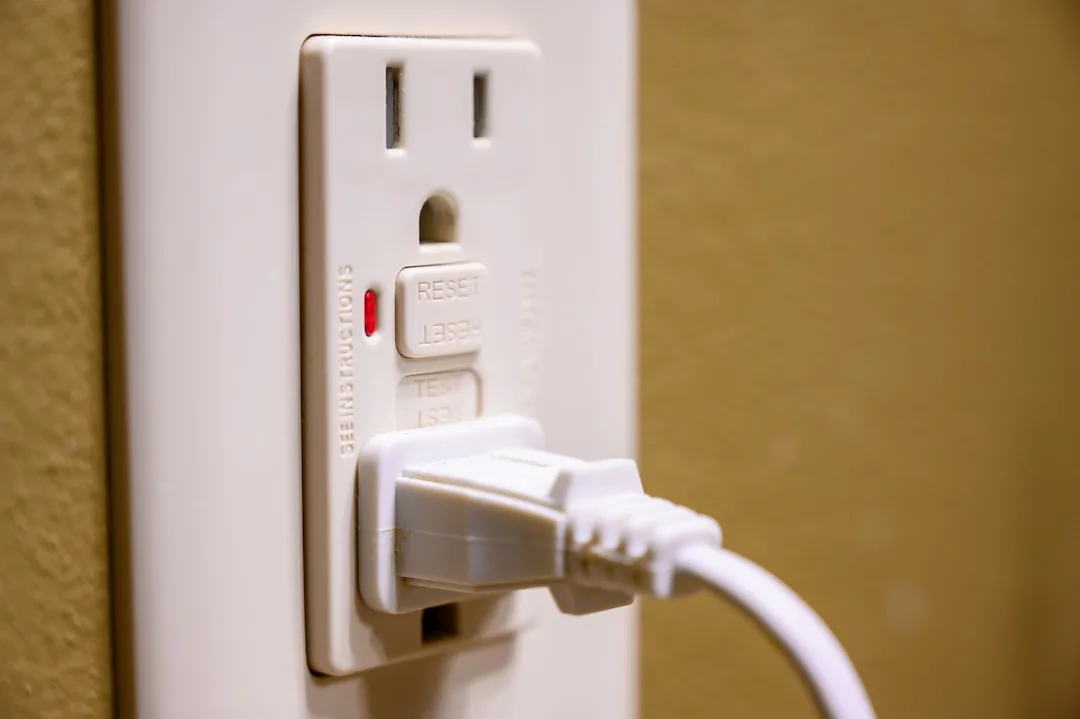
A GFCI outlet that trips once may simply be doing exactly what it was designed to do. But if the same outlet keeps tripping, will not reset, or shuts off power every time you plug something in, there may be an electrical problem that needs attention.
Ground Fault Circuit Interrupter outlets are designed to quickly shut off electricity when they detect current flowing along an unintended path. That protection is especially important in kitchens, bathrooms, garages, basements, outdoor areas, and other locations where electricity may be used near water or damp conditions.
If your GFCI keeps tripping in your Nassau County home, the cause could be as simple as a faulty appliance or moisture around an outdoor receptacle. It can also be caused by damaged wiring, a failing GFCI device, or another problem somewhere else on the protected circuit.
What Does a GFCI Outlet Actually Do?
GFCI stands for Ground Fault Circuit Interrupter. Its job is to reduce the risk of electrical shock by monitoring the electricity flowing through a circuit.
Under normal conditions, the amount of electrical current flowing out to a device should closely match the current returning from it. If the GFCI detects that some of that current appears to be taking another path, it shuts off power extremely quickly.
That unintended path could potentially be through water, damaged equipment, deteriorated insulation, or even a person.
If you want a deeper explanation of how these devices work, read our complete guide to GFCI outlets.
Why Does My GFCI Keep Tripping?
A GFCI that repeatedly trips is telling you that something on the circuit is not operating as expected.
The most common causes include:
- Moisture inside or around an outlet or electrical box
- A faulty appliance plugged into the circuit
- A damaged extension cord or appliance cord
- Damaged or deteriorated electrical wiring
- A problem at another downstream outlet
- A worn or failing GFCI receptacle
- Improper wiring or previous electrical modifications
- Current leakage from several connected electronic devices
The tricky part is that the problem may not actually be located at the GFCI outlet itself. One GFCI can provide protection to additional outlets farther along the same circuit.
That means a problem at another outlet, appliance, or piece of equipment can cause the GFCI you are looking at to trip.
1. Moisture Is Causing the GFCI to Trip
Moisture is one of the most common causes of GFCI problems, particularly with outdoor outlets, garages, basements, kitchens, bathrooms, and other damp locations.
Water can enter an outdoor electrical box because of:
- Rain or snow
- A damaged weatherproof cover
- Sprinklers
- Pressure washing
- Condensation
- Improperly sealed electrical boxes
Even a relatively small amount of moisture can create an unintended electrical path that causes the GFCI to operate.
2. An Appliance May Be Causing the Trip
Sometimes the GFCI is working perfectly and the problem is actually something plugged into it.
Appliances can develop internal faults as they age. Damaged insulation, heating elements, motors, compressors, wiring, or moisture inside the equipment may allow a small amount of electrical current to escape its normal path.
Common examples can include:
- Hair dryers
- Coffee makers
- Toasters
- Refrigerators or freezers
- Dishwashers
- Washing machines
- Dehumidifiers
- Outdoor power equipment
- Pool or spa equipment
- Portable heaters
- Power tools
If the GFCI only trips when one particular appliance is connected or turned on, that appliance may need to be inspected or repaired.
3. A Damaged Cord or Extension Cord Can Trip a GFCI
Before assuming the problem is inside the wall, look at any cords connected to the circuit.
Extension cords and appliance cords can become damaged from:
- Being crushed under furniture
- Repeated bending
- Outdoor weather exposure
- Pets chewing them
- Damaged insulation
- Loose or broken plugs
A damaged cord can create current leakage that causes the GFCI to trip even though the receptacle itself is functioning normally.
4. Another Outlet on the Circuit May Have a Problem
This is one of the most confusing GFCI issues for homeowners.
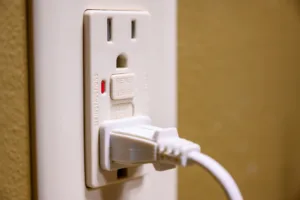
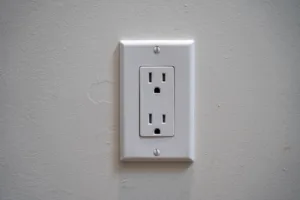
A single GFCI receptacle can protect multiple regular-looking outlets connected downstream from it. Those outlets may not have their own TEST and RESET buttons.
If there is a fault at one of those downstream outlets, the original GFCI may trip and shut off power to all of them.
The GFCI Outlet
Contains the TEST and RESET buttons and monitors the protected portion of the circuit for a ground fault.
Downstream Outlets
May look like ordinary receptacles but can lose power when the GFCI supplying their protection trips.
This is also why several outlets can suddenly stop working even though no breaker appears to have tripped.
We cover that situation in more detail in our guide: Some Outlets Not Working? Here’s What It Means.
5. The GFCI Outlet Itself May Be Failing
GFCI receptacles contain electronic and mechanical components, so they do not necessarily last forever.
Over time, a GFCI can become worn, damaged, or unreliable. Power surges, repeated trips, moisture, physical damage, age, and environmental conditions can all contribute to failure.
Signs that the GFCI itself may need attention include:
- The RESET button will not stay in
- The TEST button does not operate correctly
- The outlet has power inconsistently
- The GFCI trips even when nothing appears to be connected
- The receptacle feels loose or damaged
- There is visible discoloration or heat damage
- The outlet no longer provides power after resetting
Haines Electric provides GFCI outlet installation and replacement in Nassau County for failing, outdated, or missing GFCI protection.
6. Damaged Wiring Can Cause Repeated GFCI Trips
Sometimes the outlet and appliances are not the problem at all.
Electrical wiring somewhere along the circuit may be damaged, deteriorated, improperly connected, or exposed to moisture.
Possible wiring-related causes can include:
- Damaged wire insulation
- Loose connections
- Moisture inside an electrical box
- Improper previous repairs
- Incorrect GFCI wiring
- Problems involving neutral conductors
- Damaged outdoor wiring
- Rodent or physical damage to wiring
These conditions require professional electrical testing because the problem may be hidden inside walls, junction boxes, receptacles, or other parts of the circuit.
7. Multiple Electronic Devices Can Contribute to Leakage Current
Many modern electronic devices naturally allow extremely small amounts of current to flow through filters and other internal components.
One device may not create enough leakage to cause a problem. But several devices connected to the same protected circuit can sometimes contribute to enough cumulative leakage that the GFCI operates.
This can be particularly confusing because no single device appears obviously defective.
An electrician can isolate the circuit and test the connected equipment to determine whether cumulative leakage or an actual wiring fault is causing the repeated trips.
Does a GFCI Trip Because the Circuit Is Overloaded?
A standard GFCI receptacle and a standard circuit breaker perform different jobs.
GFCI Protection
Primarily protects against dangerous current leakage or ground-fault conditions that could create an electrical-shock hazard.
Circuit Breaker
Protects circuit wiring against excessive current caused by conditions such as overloads and short circuits.
Because these devices provide different types of protection, an ordinary overload is generally handled by the circuit breaker rather than the GFCI receptacle itself.
Some breaker types combine multiple forms of protection into one device, which can make troubleshooting more complicated.
If you cannot tell whether the GFCI, circuit breaker, or another electrical device is shutting off the circuit, Haines Electric can provide electrical diagnosis and repair to determine exactly what is causing the power loss.
Why Does My Bathroom GFCI Keep Tripping?
Bathrooms combine electricity with water, moisture, and several relatively high-powered personal-care appliances.
A bathroom GFCI may trip because of:
- A hair dryer or styling tool with an electrical fault
- Moisture around the receptacle
- A damaged appliance cord
- A wiring issue
- A failing GFCI receptacle
- A fault on another protected bathroom outlet
If the GFCI trips whenever the same appliance is used, stop using that appliance until the cause has been identified.
Why Does My Kitchen GFCI Keep Tripping?
Kitchens have numerous appliances operating near sinks and other sources of water, which makes GFCI protection particularly important.
If a kitchen GFCI repeatedly trips, look for a pattern. Does it happen when the coffee maker starts? When the dishwasher is running? When a particular countertop appliance is plugged in?
Identifying which device or action causes the trip can help an electrician narrow down the source of the fault.
If several kitchen outlets lose power at once, remember that they may be connected to a GFCI located elsewhere on the circuit.
Why Does My Outdoor GFCI Keep Tripping?
Outdoor outlets have a difficult job. They are exposed to humidity, temperature changes, rain, snow, landscaping equipment, holiday lighting, extension cords, and other environmental conditions.
Common outdoor causes include:
- Rain entering the electrical box
- A cracked or missing weather-resistant cover
- Wet extension cords
- Outdoor lighting faults
- Damaged landscape wiring
- Holiday lights exposed to moisture
- Pool or yard equipment with an electrical problem
- A deteriorated outdoor receptacle
Why Does My GFCI Trip When It Rains?
If the problem consistently appears during or shortly after rain, water intrusion is a strong possibility.
Water may be reaching:
- The GFCI receptacle itself
- A downstream outlet
- An extension cord
- Outdoor lighting
- A junction box
- Landscape equipment
- Pool or spa electrical equipment
Remember that the location where water enters the circuit may not be the same location where the GFCI RESET button is located.
Why Won’t My GFCI Outlet Reset?
Pressing RESET will not always restore power.
A GFCI may refuse to reset because:
- An active ground fault is still present
- The GFCI itself has failed
- The circuit does not currently have incoming power
- A circuit breaker has tripped
- There is a loose or damaged connection
- The device has been wired incorrectly
- Another part of the protected circuit has a fault
If the device will not reset, repeatedly pressing the button harder will not solve the problem. The reason the outlet has no power needs to be identified first.
Can One GFCI Control Multiple Outlets?
Yes. This is extremely common.
A GFCI receptacle can be wired so that it protects additional outlets farther along the circuit. If the GFCI trips, those downstream outlets can lose power too.
This can create some confusing situations for homeowners. For example, a garage outlet may stop working because a GFCI in another location has tripped.
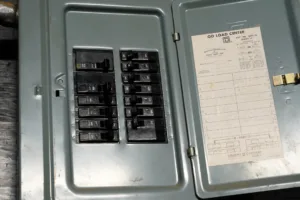
Before assuming a dead outlet has failed, check for nearby GFCI devices and check the electrical panel.
What Can You Safely Check Yourself?
Homeowners can perform a few basic observations without opening electrical boxes or working on wiring.
- Unplug appliances from the affected outlets. Remove connected equipment before attempting to reset the GFCI.
- Look for obvious moisture. Do not attempt to reset or use a visibly wet outlet.
- Check for damaged cords. Stop using equipment with cut, crushed, melted, or deteriorated cords.
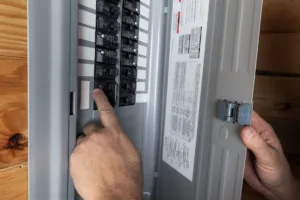
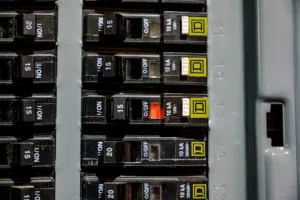
- Check the circuit breaker. A breaker may need to be moved fully to OFF before it can be reset to ON.
- Press RESET once. If the GFCI immediately trips again, do not continue resetting it repeatedly.
- Notice what triggers the problem. Knowing that the trip occurs when a particular appliance starts can be useful diagnostic information.
What Should You NOT Do With a Tripping GFCI?
Electrical safety devices should not be bypassed simply because they are inconvenient.
Avoid:
- Repeatedly resetting a GFCI that immediately trips
- Replacing the GFCI with a standard outlet to stop the tripping
- Moving a faulty appliance to an unprotected outlet
- Opening the outlet or electrical box without proper electrical training
- Using a wet or damaged outdoor receptacle
- Ignoring heat, sparks, buzzing, burning odors, or discoloration
The GFCI is a safety device. If it continues operating, the goal should be to find out why, not to remove the protection.
When Is a Tripping GFCI an Electrical Emergency?
A GFCI trip by itself does not necessarily mean there is an emergency. But additional warning signs can indicate a more serious electrical problem.
Stop using the affected circuit and contact an electrician promptly if you notice:
- A burning electrical smell
- Smoke
- Sparks or visible arcing
- Buzzing or crackling
- A hot outlet or wall plate
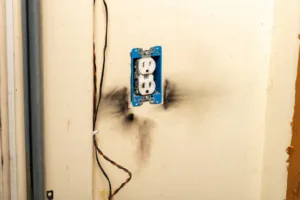
- Black or brown discoloration
- Water inside an electrical box
- Repeated loss and restoration of power
- A breaker that will not stay reset
These symptoms may involve more than a failed receptacle and should be properly diagnosed.
Should You Replace a GFCI That Keeps Tripping?
Sometimes replacement is the solution, but not always.
Simply replacing the GFCI without identifying the cause can leave the original electrical problem unresolved.
An electrician can determine whether:
- The existing GFCI has failed
- A connected appliance has a fault
- Moisture is entering the circuit
- A downstream outlet is causing the problem
- There is damaged wiring
- The device was wired incorrectly
- The circuit needs additional repair or modification
Haines Electric provides outlet and switch repair and replacement throughout Nassau County, including GFCI troubleshooting and replacement.
How Does an Electrician Diagnose a GFCI That Keeps Tripping?
When the cause is not obvious, an electrician can isolate different sections of the circuit and test the system to determine where the fault is occurring.
Depending on the situation, troubleshooting may include:
- Inspecting the GFCI device for damage
- Checking incoming power and circuit conditions
- Disconnecting or isolating downstream wiring
- Testing connected outlets and equipment
- Checking for moisture or damaged electrical boxes
- Inspecting wiring connections
- Determining whether the GFCI itself has failed
- Replacing or repairing the defective component
This allows the actual cause to be corrected rather than replacing parts based on guesswork.
GFCI Problems in Older Nassau County Homes
Nassau County has many homes that were built long before today’s electrical needs and safety devices became common.
Over the years, electrical systems may have been expanded, renovated, altered, or partially upgraded by different owners and contractors.
That can result in situations where:
- Older areas have no GFCI protection
- One GFCI protects outlets in unexpected locations
- Previous renovations changed circuit layouts
- Outdoor wiring has deteriorated
- Older boxes or connections have been exposed to moisture
- Aging outlets no longer operate reliably
If GFCI problems keep returning, a professional inspection can determine whether the issue is limited to one receptacle or is part of a larger wiring problem.
When Should You Call an Electrician for a GFCI That Keeps Tripping?
Call an electrician when:
- The GFCI immediately trips after being reset
- The RESET button will not stay in
- The GFCI trips even with appliances unplugged
- Several outlets lose power at once
- The problem keeps returning
- The outlet trips whenever it rains
- You suspect water has entered an outlet or electrical box
- You notice heat, discoloration, buzzing, sparks, or burning odors
- You cannot determine which outlet or appliance is causing the fault
Haines Electric can inspect the GFCI, downstream outlets, connected equipment, circuit wiring, and electrical panel to determine what is actually causing the trip.
GFCI Outlet Keeps Tripping in Nassau County?
A GFCI that repeatedly trips should not simply be ignored or bypassed. Haines Electric provides professional GFCI troubleshooting, outlet repair, GFCI replacement, and electrical diagnosis throughout Nassau County.
Whether the problem is a failing receptacle, moisture, damaged wiring, another outlet on the circuit, or faulty equipment, our electricians can identify the cause and recommend the proper repair.
Schedule GFCI TroubleshootingGFCI Troubleshooting FAQ
Frequently Asked Questions About GFCI Outlets Tripping
Why does my GFCI outlet keep tripping?
A GFCI outlet typically trips because it detects electrical current flowing along an unintended path. Common causes include moisture, faulty appliances, damaged cords, wiring problems, downstream outlet faults, or a failing GFCI device.
Why does my GFCI trip as soon as I reset it?
An immediate trip can mean an active electrical fault is still present. The problem could involve an appliance, another outlet on the circuit, moisture, damaged wiring, or the GFCI itself. Avoid repeatedly resetting it if it trips immediately.
Why does my outdoor GFCI trip when it rains?
Moisture may be entering an outdoor receptacle, electrical box, extension cord, lighting system, or another component protected by the GFCI. If the problem consistently appears during wet weather, the outdoor circuit should be inspected for water intrusion and damaged equipment.
Can a bad appliance cause a GFCI to trip?
Yes. Appliances can develop internal electrical faults that allow current to leak from its intended path. If a GFCI consistently trips when one particular appliance is connected or turned on, stop using the appliance until the cause has been identified.
Can one GFCI outlet control other outlets?
Yes. One GFCI receptacle can provide protection to additional downstream outlets on the same circuit. When the GFCI trips, those outlets can also lose power even though they do not have their own TEST and RESET buttons.
Why won’t my GFCI outlet reset?
A GFCI may not reset if an active fault is present, the device has failed, the circuit has no incoming power, a breaker is tripped, wiring is damaged, or the GFCI was not wired correctly. The cause should be identified before replacing or bypassing the device.
Can a GFCI outlet go bad?
Yes. GFCI outlets contain components that can wear out or become damaged over time. A GFCI that will not test, will not reset, works intermittently, or shows signs of physical or heat damage should be professionally inspected and replaced if necessary.
Does an overloaded circuit cause a GFCI outlet to trip?
A standard GFCI receptacle primarily protects against ground-fault current leakage, while a circuit breaker protects wiring against excessive current from overloads and short circuits. Some devices combine multiple types of protection, so professional troubleshooting may be necessary when the cause is unclear.
Should I keep resetting a GFCI that trips?
No. If a GFCI immediately or repeatedly trips, continually resetting it does not correct the underlying problem. Unplug connected equipment and have the circuit inspected if the cause cannot be safely identified.
Who repairs GFCI outlets in Nassau County?
Haines Electric provides GFCI outlet troubleshooting, replacement, installation, outlet repair, and electrical diagnosis throughout Nassau County. An electrician can determine whether the problem involves the GFCI device, an appliance, downstream wiring, moisture, or another electrical fault.