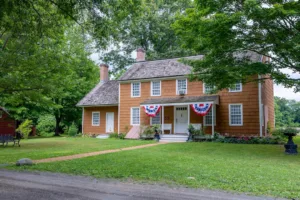
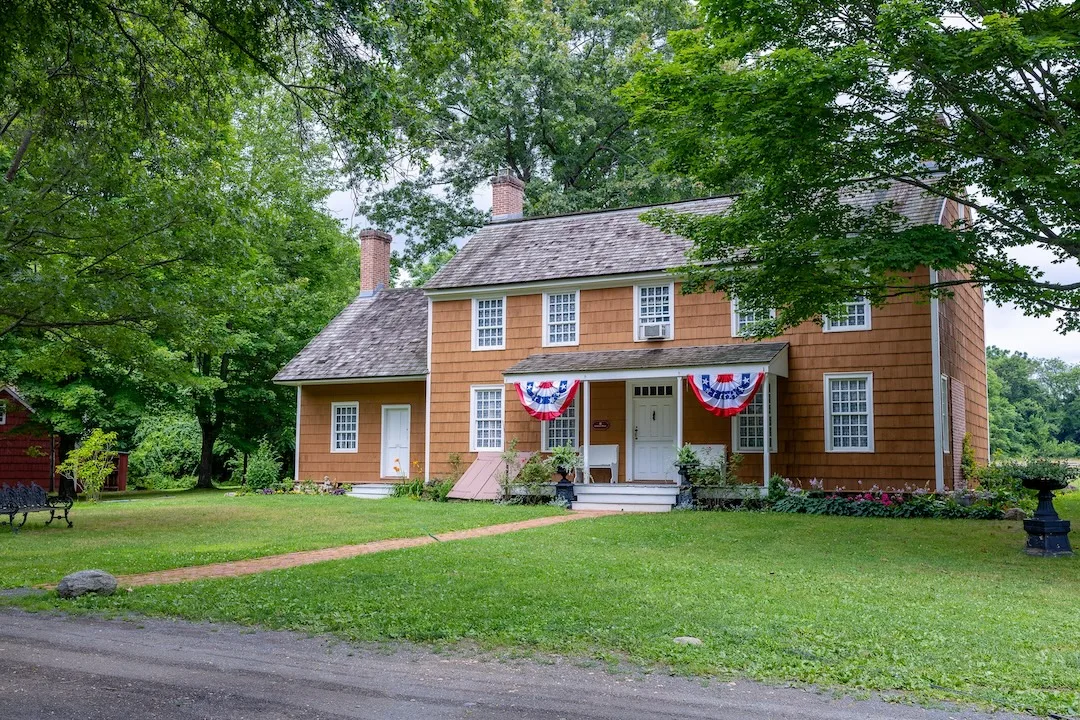
Older homes across Long Island have character, charm, and history. From classic Nassau County colonials to Cape Cods, ranches, split-levels, and older coastal homes, these properties often have layouts and construction details that newer homes simply do not.
But older homes can also come with electrical issues that were never part of the original design. Many were built before today’s appliances, central air conditioning, EV chargers, smart home systems, and home offices became common. As a result, the electrical system may be working harder than it was ever intended to.
If you live in an older Long Island home and notice flickering lights, frequent breaker trips, warm outlets, dead outlets, or limited power in certain rooms, the problem may not be random. It may be a sign that the home’s electrical system needs inspection, repair, or upgrading.
Older Homes Were Built for a Different Electrical Demand
Many Long Island homes were built decades ago, when households used far less electricity. A typical home may have only needed power for basic lighting, a refrigerator, a television, and a few small appliances.
Today, the average home may rely on:
- Central air conditioning
- Electric dryers
- Large refrigerators and freezers
- Microwaves and countertop appliances
- Home office equipment
- Smart TVs and gaming systems
- Security cameras and smart home devices
- EV chargers
- Outdoor lighting and pool equipment
This increase in electrical demand can place stress on wiring, circuits, outlets, and panels that were designed for a much simpler household setup.
Outdated Electrical Panels Are Common in Older Homes
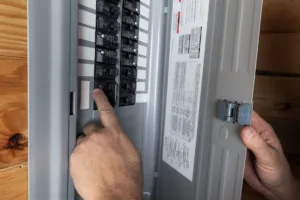
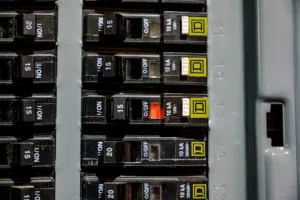
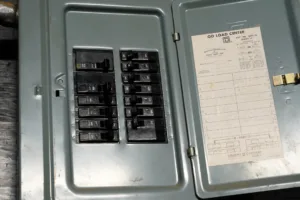
One of the biggest issues in older homes is an outdated electrical panel. Many older houses still have 100-amp service, older breaker panels, or even fuse boxes.
While these systems may have worked years ago, they may not safely support today’s electrical needs. If the panel is too small or outdated, the home may experience overload symptoms such as flickering lights, tripping breakers, or circuits that cannot support newer appliances.
If your home still has an older panel, it may be worth learning more about electrical panel upgrades in Nassau County.
Aging Wiring Can Create Hidden Problems
Wiring does not last forever. Over time, insulation can become brittle, connections can loosen, and older materials may become less reliable.
In older Long Island homes, wiring may have been altered over the years during renovations, additions, appliance upgrades, or DIY work. This can create hidden problems inside walls, ceilings, basements, and attics.
Common signs of wiring issues include:
- Lights flickering or dimming
- Outlets that stop working
- Buzzing sounds near switches or fixtures
- Burning smells near outlets or panels
- Breakers that trip repeatedly
- Warm outlet covers or switches
If any of these warning signs appear, a professional inspection is the safest next step. Haines Electric provides electrical diagnosis and repair services for Nassau County homeowners dealing with these types of issues.
Older Homes Often Have Fewer Circuits
Older homes were often built with fewer electrical circuits than modern homes. That means multiple rooms, outlets, or appliances may share the same circuit.
This becomes a problem when modern devices are added to the same wiring layout. For example, a kitchen circuit may be expected to power a microwave, toaster oven, coffee maker, and lighting. A bedroom circuit may now support computers, chargers, air conditioners, and entertainment systems.
When too many devices pull power from the same circuit, breakers may trip or lights may dim when appliances turn on.
If you notice this happening, read our guide on why lights flicker when appliances turn on.
Old Outlets and Switches Can Wear Out
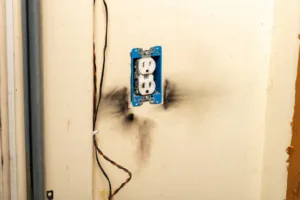
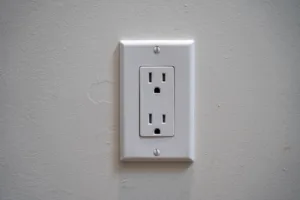
Outlets and switches are used every day, and over time they can wear out. In older homes, it is common to find outlets that no longer hold plugs tightly, switches that feel loose, or receptacles that show discoloration.
Worn outlets can create poor connections, which may lead to heat, arcing, or intermittent power issues.
Warning signs include:
- Plugs falling out easily
- Outlets that feel warm
- Sparks when plugging something in
- Outlets that work only sometimes
- Discolored or cracked outlet covers
If you have outlets that are not working properly, this guide may help: Some Outlets Not Working? Here’s What It Means.
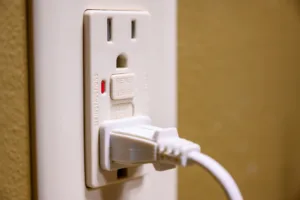
GFCI and AFCI Protection May Be Missing
Older homes may not have modern GFCI or AFCI protection in the places where it is now commonly required or recommended.
GFCI outlets help protect against shock in moisture-prone areas such as kitchens, bathrooms, garages, basements, and outdoor spaces. AFCI protection helps detect certain types of electrical arcing that may increase fire risk.
If your older home has not had electrical updates in years, it may be worth reviewing whether GFCI or AFCI upgrades are needed.
You can learn more in our guide on when to upgrade to AFCI or GFCI protection.
Renovations Can Add Electrical Strain
Long Island homes are often renovated over time. Kitchens are remodeled, basements are finished, rooms are added, garages become workshops, and outdoor areas become living spaces.
These upgrades can add electrical load to a system that was not originally designed for them.
Common renovation-related electrical needs include:
- New dedicated circuits
- Lighting upgrades
- Panel capacity upgrades
- Additional outlets
- Outdoor wiring
- Kitchen appliance circuits
Without proper electrical planning, renovations can create overloaded circuits or unsafe wiring conditions.
EV Chargers and Modern Appliances Increase Demand
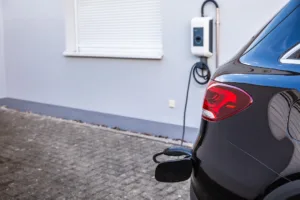
EV chargers are one of the biggest new electrical demands for homeowners. A Level 2 charger may require dedicated wiring and enough panel capacity to support the additional load.
In many older Long Island homes, the existing panel may need to be evaluated before EV charger installation. This does not always mean the panel must be replaced, but it does mean the electrical system should be reviewed by a licensed electrician.
If you are planning an EV charger, visit our EV charger installation service page to learn more.
Partial Power Loss Can Be More Common in Older Systems
Older electrical systems may be more vulnerable to loose service connections, failing panel components, or circuit issues that cause partial power loss.
If one room, one side of the house, or several outlets suddenly lose power but breakers do not appear tripped, the issue may be more complex than a simple reset.
For more information, read our resource: Half My House Lost Power But Breakers Aren’t Tripped.
Older Homes Near the Coast May Face Additional Wear
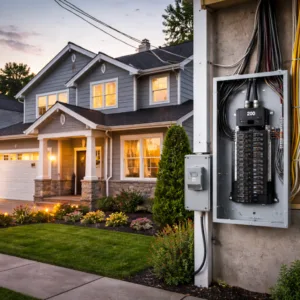
Long Island’s coastal environment can also affect electrical systems. Moisture, salt air, storms, and humidity may contribute to corrosion or wear over time, especially around outdoor wiring, panels, meter equipment, and exterior outlets.
This is especially important for homes near the South Shore, coastal communities, or properties exposed to storm conditions.
Outdoor outlets, lighting, pool wiring, and generator connections should be inspected periodically to make sure they remain safe and reliable.
Signs an Older Home Needs an Electrical Inspection
If you own an older home, scheduling an electrical inspection can help identify issues before they become larger problems.
Consider an inspection if you notice:
- Frequent breaker trips
- Flickering lights
- Dead outlets
- Warm outlets or switches
- Burning smells
- Buzzing sounds
- Older fuse boxes or outdated panels
- Limited outlet availability
- Recent or planned renovations
A licensed electrician can inspect the panel, wiring, circuits, outlets, switches, grounding, and overall electrical capacity.
Haines Electric offers electrical inspections in Nassau County for homeowners who want a clearer understanding of their electrical system.
How Haines Electric Helps Older Long Island Homes
For over 50 years, Haines Electric has helped homeowners across Nassau County maintain safe and reliable electrical systems.
Our team can help with:
- Electrical troubleshooting
- Outlet and switch repairs
- Electrical panel upgrades
- GFCI and AFCI upgrades
- EV charger installation
- Lighting upgrades
- Generator installation
- Electrical inspections
If your older home is showing signs of electrical stress, it is better to address the issue early. A professional evaluation can help determine whether your home needs a simple repair, added circuits, or a larger electrical upgrade.
Need Electrical Help for an Older Long Island Home?
Haines Electric helps Nassau County homeowners diagnose electrical problems, upgrade outdated systems, and keep older homes safe for modern power needs.
Contact Haines ElectricFAQ
Frequently Asked Questions About Electrical Problems in Older Homes
Why do older Long Island homes have more electrical problems?
Older Long Island homes often have more electrical problems because they were built for lower power demands. Aging wiring, outdated panels, fewer circuits, and years of renovations can all place stress on the electrical system.
How do I know if my older home needs an electrical inspection?
You should consider an inspection if you notice flickering lights, frequent breaker trips, warm outlets, burning smells, buzzing sounds, dead outlets, or an outdated electrical panel. These can be signs that the system needs repair or updating.
Do older homes usually need electrical panel upgrades?
Not always, but many older homes benefit from a panel evaluation. If your panel is outdated, overloaded, or unable to support modern appliances, HVAC equipment, EV chargers, or renovations, an upgrade may be recommended.
Are old outlets and switches dangerous?
Old outlets and switches can become dangerous if they are loose, warm, discolored, cracked, or no longer hold plugs securely. Worn electrical components can create poor connections and may increase safety risks.
Can older wiring support an EV charger?
It depends on the home’s wiring, panel capacity, and overall electrical load. Before installing a Level 2 EV charger, a licensed electrician should evaluate the system to determine whether upgrades are needed.