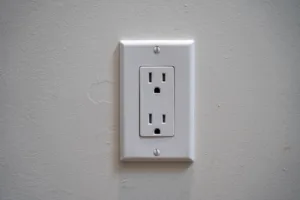
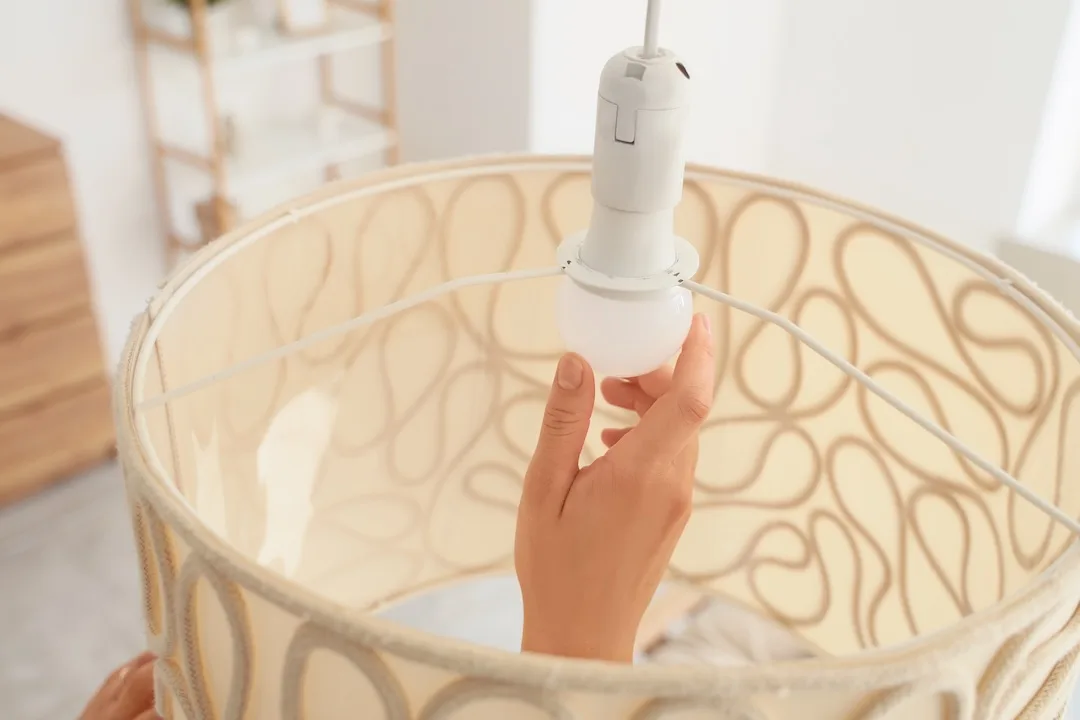
Flickering lights are one of the most common electrical issues homeowners notice. Sometimes the flicker is brief and harmless. Other times, it can point to a larger problem with your wiring, circuits, electrical panel, or overall power capacity.
In many Nassau County and Long Island homes, this issue is especially common because older electrical systems were not always designed for today’s appliances, HVAC systems, home offices, and modern electronics.
This guide explains why lights flicker when appliances turn on, what is considered normal, what warning signs to watch for, and when it is time to call a licensed electrician.
Why Lights Flicker When Appliances Start
Many appliances use more electricity when they first start than they do while running. This is called startup load or inrush current. When a large appliance turns on, it may briefly pull extra power from the circuit.
Appliances that commonly cause brief flickering include:
- Central air conditioning systems
- Window air conditioners
- Refrigerators
- Microwaves
- Electric dryers
- Vacuum cleaners
- Space heaters
If your lights dim for a split second and immediately return to normal, the issue may simply be the appliance’s startup demand. However, if flickering is frequent, severe, or getting worse, your home may need electrical troubleshooting.
When Flickering Lights Are Normal
A very quick flicker may be normal when a large appliance starts. For example, it is common for lights to dim briefly when an air conditioner compressor kicks on.
This is usually less concerning if:
- The flicker lasts less than a second
- It only happens when a large appliance starts
- The lights return to normal immediately
- There are no burning smells, buzzing sounds, or breaker trips
Even then, recurring flickering should still be monitored. If the issue becomes more noticeable over time, it may be a sign that your electrical system is under strain.
When Flickering Lights Are a Warning Sign
Flickering lights can become more serious when they happen repeatedly or affect multiple areas of the home.
You should pay close attention if:
- Lights flicker throughout the house
- Lights dim for several seconds
- Breakers trip when appliances run
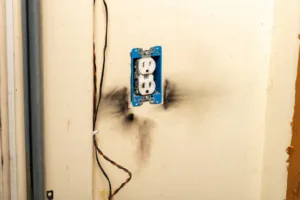
- Outlets or switches feel warm
- You hear buzzing near the panel
- You smell burning plastic or electrical odor
- The issue gets worse during high electrical use
These symptoms may indicate overloaded circuits, loose wiring, a failing electrical panel, or a utility service issue.
Common Causes of Flickering Lights
1. Overloaded Circuits
An overloaded circuit happens when too many devices or appliances draw power from the same circuit at the same time.
For example, a kitchen circuit may become strained if it is powering a microwave, toaster oven, coffee maker, and lighting at the same time.
In older Nassau County homes, overloaded circuits are common because many houses were built before modern electrical demands became standard.
2. Loose Wiring Connections
Loose wiring can cause lights to flicker because electricity is not flowing consistently through the circuit. This can happen at outlets, switches, fixtures, junction boxes, or inside the electrical panel.
Loose connections are a serious concern because they can create heat and increase fire risk. This is not something homeowners should attempt to repair themselves.
3. Undersized Electrical Service
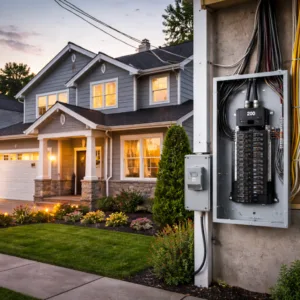
Many older homes still have 100-amp electrical service. That may have been enough decades ago, but modern homes often need more capacity.
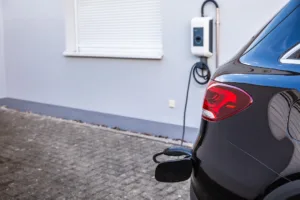
If your home has central air, electric appliances, an EV charger, a finished basement, or a home office, your electrical demand may be higher than your panel was designed to support.
If this sounds familiar, you may want to learn more about electrical panel upgrades in Nassau County.
4. Large Appliance Startup Load
Some appliances pull a large amount of electricity when they first turn on. This temporary demand can cause lights on the same circuit to dim.
If the appliance is on a shared circuit, the issue may be improved by installing a dedicated circuit.
5. Electrical Panel Problems
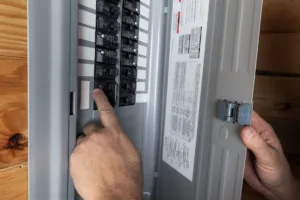
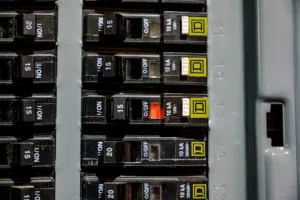
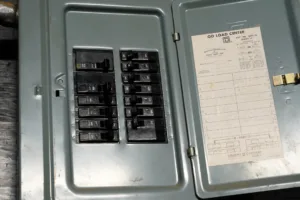
Your panel distributes electricity throughout your home. If the panel is aging, overloaded, damaged, or poorly connected, flickering lights may be one of the first warning signs.
Panel-related issues should always be inspected by a licensed electrician. In some cases, repair may be enough. In other cases, an upgrade may be the safest long-term solution.
6. Utility Service Issues
Sometimes the issue is not inside your home. Flickering lights can also happen because of problems with the utility connection, transformer, or service line feeding your property.
If neighbors are also experiencing flickering lights or partial outages, the utility company may need to inspect the service.
Do Flickering Lights Mean I Need a Panel Upgrade?
Not always. Flickering lights can be caused by several different issues. However, they can be a sign that your electrical panel is no longer keeping up with your home’s needs.
You may need a panel evaluation if:
- Your home still has 100-amp service
- You are adding an EV charger
- Your breakers trip often
- Lights dim when appliances turn on
- Your panel feels warm or makes noise
- You are planning a renovation or addition
For more detail, read our guide: Do You Need a 200-Amp Electrical Panel?
Should Appliances Have Dedicated Circuits?
Some appliances should be on dedicated circuits because they draw a large amount of power. A dedicated circuit means the appliance has its own circuit rather than sharing power with lights, outlets, or other devices.
Appliances that may need dedicated circuits include:
- Microwaves
- Refrigerators
- Electric dryers
- Dishwashers
- Window air conditioners
- EV chargers
- Hot tubs or pool equipment
If lights flicker every time one appliance runs, a dedicated circuit may help reduce strain and improve safety.
What You Can Safely Check First
Before calling an electrician, homeowners can safely check a few basic things:
- Make note of which appliance causes the flicker
- Check whether the issue happens in one room or throughout the home
- Look for tripped breakers
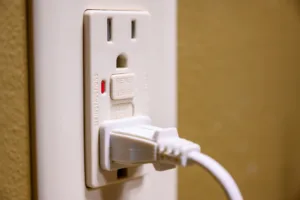
- Check GFCI outlets if nearby outlets are affected
- Unplug unnecessary devices from the same circuit
Do not open your electrical panel, remove outlets, or inspect wiring yourself. Electrical troubleshooting should be handled by a licensed professional.
When to Call an Electrician
You should call an electrician if flickering lights are frequent, worsening, or connected to other warning signs.
Haines Electric can help diagnose:
- Overloaded circuits
- Loose wiring
- Faulty outlets or switches
- Panel problems
- Service capacity issues
- Electrical safety concerns
If your lights flicker often, our electrical diagnosis and repair services can help identify the root cause and recommend the safest fix.
Can Flickering Lights Damage Electronics?
In some cases, yes. If flickering is caused by voltage fluctuations, it may affect sensitive electronics such as computers, televisions, smart devices, and appliances.
If your home experiences frequent power fluctuations, you may also want to consider whole-home surge protection to help protect important equipment.
Trusted Electrical Troubleshooting in Nassau County
Flickering lights can be simple, but they should not be ignored when they happen regularly.
Haines Electric has helped Nassau County homeowners keep their electrical systems safe and reliable for over 50 years. Whether the issue is a circuit overload, wiring problem, aging panel, or appliance-related demand, our licensed electricians can inspect your system and explain the best solution.
If your lights flicker when appliances turn on, contact Haines Electric to schedule a professional electrical evaluation.
Need Electrical Help in Nassau County?
If your lights flicker, breakers trip, or outlets stop working, Haines Electric can help diagnose the issue safely.
Contact Haines ElectricFAQ
Frequently Asked Questions About Flickering Lights
Is it normal for lights to flicker when appliances turn on?
A very brief flicker can be normal when a large appliance starts because the appliance briefly draws extra power. However, frequent flickering, long dimming, or flickering throughout the home can indicate an electrical issue that should be inspected.
Why do my lights dim when the air conditioner turns on?
Air conditioners use a large amount of electricity when the compressor starts. If your lights dim noticeably every time the AC turns on, your circuit, wiring, or electrical panel may be under strain.
Can flickering lights mean loose wiring?
Yes. Loose wiring is one possible cause of flickering lights. Because loose connections can create heat and increase fire risk, this issue should be checked by a licensed electrician.
Can an old electrical panel cause lights to flicker?
Yes. Older panels or panels that are near capacity can cause flickering lights, especially when large appliances turn on. A panel evaluation can determine whether repairs or an upgrade may be needed.
When should I call an electrician for flickering lights?
Call an electrician if flickering happens often, affects multiple rooms, lasts more than a moment, or comes with buzzing sounds, burning smells, hot outlets, or tripping breakers.