
Thinking of installing a home EV charger in Nassau or Suffolk County?
Whether you’re charging a Tesla, Ford Lightning, or any other electric vehicle, getting set up at home is smart. But there’s one thing many Long Island homeowners overlook — the permit.
Here’s everything you need to know about EV charger permits on Long Island, and how to avoid costly delays, fines, or safety risks.
Do I Need a Permit to Install an EV Charger on Long Island?
Plan for an electrical permit and inspection when adding a new Level 2 charger circuit. The requirements depend on the town, village, or city responsible for your address. Confirm the process before work begins.
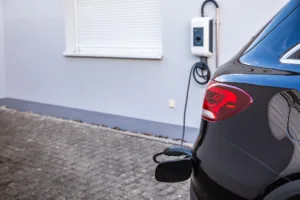
Level 2 charging uses 240-volt power. Adding a circuit, changing wiring, or upgrading electrical equipment needs professional planning. NYSERDA’s EV permitting resources explain the role of local permitting authorities.
What Requires a Permit?
Ask the building department which permits or approvals apply if your project involves:
- Running a new 240V circuit from your panel
- Installing a dedicated breaker
- Drilling through walls or installing conduit
- Installing a Tesla Wall Connector, ChargePoint, JuiceBox, or other Level 2 units
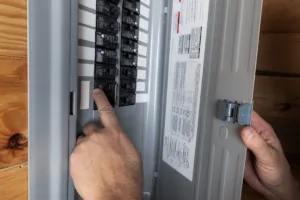
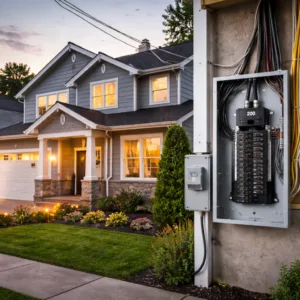
- Upgrading your panel to handle additional load
Include outdoor equipment and detached garages in that discussion, especially when the installation adds new wiring.
What Doesn’t Require a Permit?
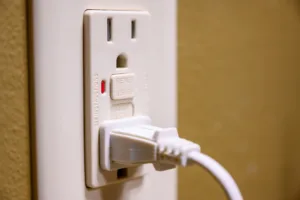
A Level 1 charger uses a standard 120-volt outlet and can meet daily charging needs for some drivers with short commutes. Plugging into a suitable existing outlet is different from adding a circuit or changing wiring; confirm whether any approval is needed for your setup.
If a new circuit or outlet is needed, have an electrician assess the work and confirm the permit and inspection steps before installation.
How the Process Works
- Hire a licensed electrician and confirm any local registration requirements
- Confirm who will submit the required permit applications
- The local department may request plans, charger specifications, or electrical details
- Begin work after the required approvals are in place
- Arrange the required final inspection with the department or an inspection agency it accepts
Why Permits Matter
Skipping the permit might seem faster, but it can cost you more in the long run. Here’s why:
| Risk | What Could Happen |
|---|---|
| Failed inspection | Work may need to be redone or removed |
| Home sale issues | Unpermitted work can delay or kill a real estate deal |
| Insurance problems | Claims may be denied if fire or damage occurs |
| Town fines or violations | You could face penalties or legal issues |
Town-by-Town Notes for Long Island
Nassau County
For a property in Hempstead, Oyster Bay, or North Hempstead, confirm whether the town or an incorporated village handles the application. If your address is in a village such as Garden City or Rockville Centre, ask its building department where to start. Confirm the required paperwork, who can file it, and the accepted inspection process.
Suffolk County
For properties in Babylon, Islip, Smithtown, or Brookhaven, contact the building department responsible for the address. Describe whether the work adds a circuit, changes the panel, or uses an existing outlet, and ask which approvals and inspections apply.
Can I Do It Myself?
Adding a new circuit or changing electrical wiring is work for a qualified electrician. Homeowner-work rules vary by jurisdiction, so do not assume the same rules apply throughout Long Island. Before hiring an installer, confirm:
- The electrical license required for the work
- Any local registration requirements
- Who will file the required permits and arrange inspections
Bonus Tip: Get a Load Calculation
A load calculation helps determine whether your existing electrical service can support a charger. As the EPA’s home charging guide explains, an electrician can assess capacity and discuss options such as charger sizing, load management, or a panel upgrade. Adding an EV charger does not automatically require larger electrical service.
Need Help Installing an EV Charger?
At Haines Electric, we handle EV charger installations across Nassau County and Long Island. Our licensed, insured team can review your home’s electrical capacity and explain the installation, permit, and inspection steps for your property.
Whether you’re charging a Tesla, Rivian, or BMW, we’ll get your home charging station installed safely, legally, and efficiently.
Call us today or request a quote online to get started.