Modern homes use far more electricity than they did decades ago. Between kitchen appliances, air conditioning, electric dryers, EV chargers, hot tubs, home offices, and other equipment, some devices need more power than a typical shared household circuit is designed to handle.
That is where a dedicated circuit comes in. Instead of sharing electrical capacity with lights, outlets, or other appliances, a dedicated circuit is installed to serve a specific appliance or piece of equipment.
For Nassau County homeowners, understanding which appliances may need their own circuit can help prevent nuisance breaker trips, overloaded circuits, flickering lights, and electrical problems when adding new equipment to the home.
What Is a Dedicated Circuit?
A dedicated circuit is an electrical circuit intended to supply a specific appliance or piece of equipment. The circuit runs from the home’s electrical panel to the equipment it serves and has its own circuit breaker.
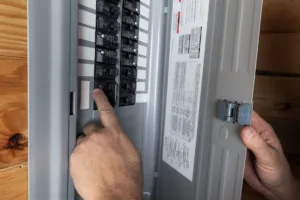
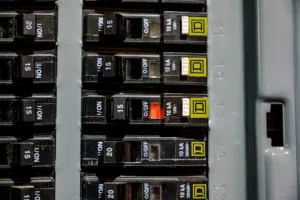
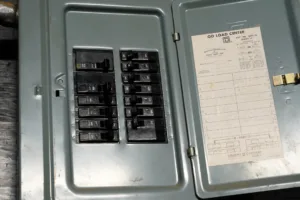
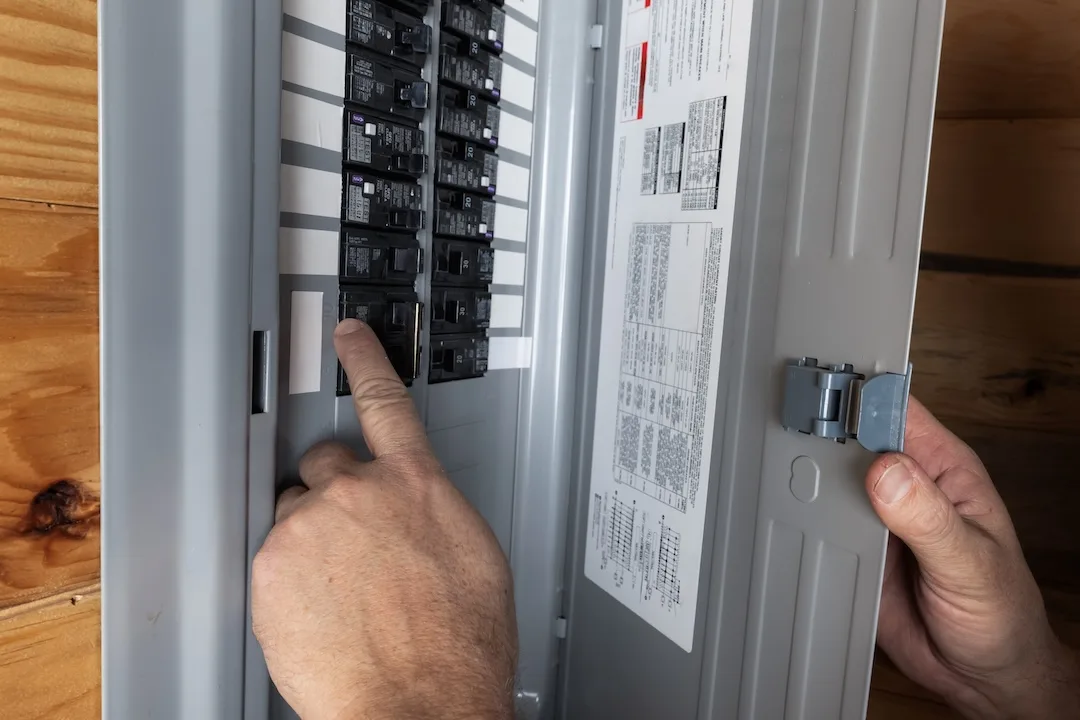
Think of your electrical panel as the distribution center for your home. Each breaker controls one circuit. A normal household circuit may supply several outlets, lights, or smaller devices. A dedicated circuit, on the other hand, reserves that circuit’s electrical capacity for a particular load.
Shared Circuit
One circuit may supply multiple outlets, lights, or devices. The total electrical demand from everything connected to the circuit has to remain within the circuit’s safe capacity.
Dedicated Circuit
The circuit is installed for a specific appliance or piece of equipment so that other household devices are not competing for the same circuit capacity.
Dedicated circuits are especially important for appliances that draw substantial power, operate for long periods, use electric heating elements, contain large motors, or have specific installation requirements from the manufacturer.
Why Do Some Appliances Need Their Own Circuit?
Every electrical circuit has a limit. If too much equipment is connected to the same circuit, the combined electrical demand can exceed what the circuit is designed to carry.
When that happens, the breaker may trip to protect the wiring from excessive current. Repeatedly resetting a breaker without determining why it is tripping does not solve the underlying problem.
Installing a properly sized dedicated circuit can provide several benefits:
- Allows high-demand equipment to operate without competing with other devices
- Helps reduce overloaded circuit conditions
- Can reduce nuisance breaker trips caused by appliance demand
- Provides the correct voltage and circuit configuration for the equipment
- Allows new appliances to be installed according to their electrical requirements
- Makes future electrical troubleshooting easier
If breakers are already tripping, lights are dimming when appliances start, or outlets are losing power, Haines Electric can provide professional electrical diagnosis and repair in Nassau County to determine whether the issue involves an overloaded circuit, wiring problem, appliance demand, or another electrical condition.
Which Appliances Need Dedicated Circuits?
There is no single list that applies identically to every home and every appliance. Electrical requirements depend on the appliance, manufacturer instructions, equipment rating, circuit size, wiring, and locally adopted electrical requirements.
However, the following are some of the most common appliances and systems that are installed on dedicated circuits.
| Appliance or Equipment | Dedicated Circuit? | Why |
|---|---|---|
| Electric Range or Wall Oven | Typically Yes | High electrical demand and usually requires a properly sized 240-volt circuit. |
| Electric Clothes Dryer | Typically Yes | Electric heating elements create a substantial load and commonly require a dedicated 240-volt circuit. |
| Electric Water Heater | Typically Yes | High-demand heating equipment normally operates from its own branch circuit. |
| Central Air Conditioner | Typically Yes | Compressors and motors require properly sized wiring, overcurrent protection, and electrical disconnect equipment. |
| EV Charger | Typically Yes | Level 2 charging places a substantial sustained load on the electrical system. |
| Hot Tub or Spa | Typically Yes | Requires specialized electrical planning because of high electrical demand and proximity to water. |
| Built-In Microwave | Often | Many built-in microwaves draw enough power that a separate circuit is required or recommended. |
| Dishwasher | Often | Electrical requirements depend on the dishwasher, installation, and other equipment connected nearby. |
| Garbage Disposal | Sometimes | Whether it receives its own circuit or shares an allowable circuit depends on the installation and equipment load. |
| Refrigerator | Often Recommended | A separate circuit can prevent unrelated devices from interrupting power to the refrigerator. |
| Window Air Conditioner | Depends on Unit | Larger units can place significant demand on a general-purpose circuit. |
| Sump Pump | Often Recommended | A separate circuit reduces the chance that another device trips the circuit and leaves the pump without power. |
Do Refrigerators Need a Dedicated Circuit?
Refrigerators are an interesting example because homeowners often assume that anything plugged into a standard-looking outlet can simply share a circuit with other kitchen equipment.
In many installations, providing a refrigerator with its own circuit is a smart approach. Refrigerators cycle on and off throughout the day, and their compressors can create additional electrical demand when starting.
A separate circuit can also reduce the possibility of another countertop appliance or device causing a breaker trip that shuts off power to the refrigerator without the homeowner realizing it.
The correct setup should still be determined from the appliance specifications and the home’s electrical system rather than assuming every refrigerator requires the exact same circuit.
Does a Microwave Need Its Own Circuit?
Microwaves can consume a surprising amount of electricity. Built-in and over-the-range microwaves in particular are commonly planned with dedicated electrical capacity.
Problems sometimes appear when a microwave shares electrical capacity with toasters, coffee makers, countertop ovens, or other kitchen appliances. Running several high-demand appliances at the same time can cause a breaker to trip.
If your kitchen breaker trips whenever the microwave and another appliance run together, an electrician can determine whether the circuit is overloaded or whether the kitchen would benefit from additional circuits.
Do Dishwashers and Garbage Disposals Need Separate Circuits?
Dishwashers and garbage disposals both contain motors, and dishwashers may also use electric heating elements during portions of their cycles.
Depending on the equipment ratings and installation, these appliances may be served by separate circuits or by another allowable configuration. This is one reason electrical planning should happen early during a kitchen remodel instead of after cabinets, counters, and appliances have already been installed.
If you are replacing older appliances with newer models, do not assume the existing wiring automatically meets the requirements of the new equipment. An electrician can verify the circuit before installation.
Electric Ranges, Ovens and Dryers Need More Power
Electric ranges, wall ovens, cooktops, and clothes dryers are much larger electrical loads than ordinary household outlets.
These appliances commonly use 240-volt circuits and require breakers and wiring sized specifically for the equipment. They should never be connected to an improvised outlet or extension cord simply because the correct receptacle is not available.
When switching from a gas appliance to an electric model, homeowners should have the electrical system evaluated before ordering the appliance. The home may not currently have the wiring, breaker space, or electrical capacity required for the conversion.
Air Conditioners and HVAC Equipment
Central air conditioning systems, heat pumps, mini-splits, and similar HVAC equipment have specific electrical requirements based on the equipment being installed.
The electrical work may include a dedicated branch circuit, properly sized breaker and wiring, disconnect equipment, and other components required for the installation.
Haines Electric provides air conditioner wiring and AC hookups in Nassau County for homeowners installing or replacing HVAC equipment.
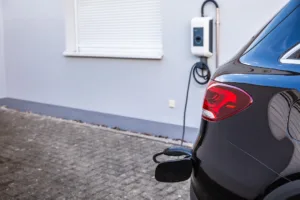
EV Chargers Need Dedicated Electrical Planning
Level 2 EV charging is one of the most common reasons Nassau County homeowners are adding new high-demand electrical circuits.
Installing an EV charger involves more than simply mounting the charger to a garage wall. An electrician should evaluate the charger’s specifications, charging output, wiring distance, panel capacity, available breaker space, and the home’s existing electrical load.
Haines Electric provides EV charger installation in Nassau County, including dedicated charger circuits and electrical panel evaluations.
Hot Tubs, Pools and Outdoor Equipment
Pools, spas, hot tubs, pumps, heaters, and outdoor electrical equipment require additional attention because electricity is being used around water and outdoor environments.
This work can involve dedicated circuits, grounding, bonding, GFCI protection, disconnects, weather-rated equipment, and specific placement requirements.
Pool and spa electrical work is not an area where homeowners should improvise. Haines Electric provides pool and hot tub wiring in Nassau County for new installations, upgrades, and electrical troubleshooting.
How Can You Tell If an Appliance Needs a Dedicated Circuit?
The best answer comes from evaluating the appliance and the electrical system together. However, there are several clues that additional circuit capacity may be needed.
- The appliance installation instructions call for an individual or dedicated branch circuit
- The appliance requires a 240-volt connection
- The appliance uses a large electric heating element
- The equipment contains a large compressor or motor
- A breaker trips when the appliance operates
- Lights dim or flicker when the appliance starts
- The appliance is being added during a kitchen, basement, garage, or home renovation
- The existing circuit already powers several other outlets or appliances
- The new equipment requires a circuit that does not currently exist
If your lights noticeably dim when an appliance starts, read our guide on why lights flicker when appliances turn on. Repeated flickering can point to appliance startup demand, overloaded circuits, loose electrical connections, panel issues, or other problems that should be diagnosed.
Signs Your Current Circuit May Be Overloaded
An overloaded or improperly configured circuit does not always announce itself immediately. Some problems appear gradually as more appliances and electronics are added to the home.
Warning signs can include:
- Breakers that trip repeatedly
- Lights that dim when an appliance starts
- Flickering lights
- Outlets or switches that feel unusually warm
- Buzzing or crackling sounds
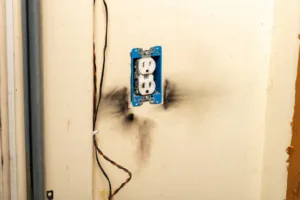
- Discoloration around an outlet or plug
- An appliance that repeatedly causes power loss to other outlets
- A breaker that will not stay reset
If a circuit keeps tripping, Haines Electric can inspect the circuit and determine whether the problem is an overloaded circuit, damaged wiring, faulty equipment, breaker issue, or another electrical condition.
Can Adding a Dedicated Circuit Stop Lights From Flickering?
Sometimes. If a high-demand appliance is sharing a circuit with lighting or other loads, moving the appliance to an appropriately designed circuit may help.
However, flickering lights are not always caused by a shared circuit. They can also be related to loose wiring, voltage fluctuations, service connections, electrical panel problems, or other issues.
If lights are flickering throughout the home rather than only near one appliance, the electrical system should be professionally diagnosed instead of assuming a dedicated circuit will solve the problem.
What If There Is No Room in the Electrical Panel?
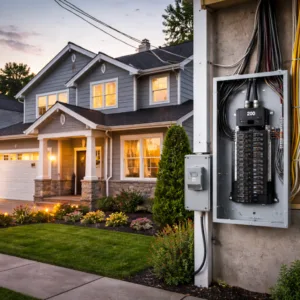
Adding a dedicated circuit requires a suitable place for the circuit’s overcurrent protection and enough electrical capacity to support the new load.
In some homes, especially older Nassau County homes that have been expanded or renovated over the years, the electrical panel may already be full.
A full panel does not automatically mean a homeowner needs a completely new electrical service. An electrician should first evaluate the existing equipment, panel configuration, electrical load, and the project being planned.
If the home’s electrical system is outdated, overloaded, or no longer has adequate capacity for modern equipment, an electrical panel upgrade may be part of the solution.
You can also learn more about Haines Electric’s complete electrical panel services in Nassau County.
Older Nassau County Homes and Dedicated Circuits
Older homes were often built when households used far fewer electrical appliances than they do today. Over the years, homeowners may add air conditioning, larger kitchen appliances, finished basements, home offices, pool equipment, electric dryers, EV chargers, and other electrical loads.
The result can be a home with modern electrical demand relying on circuits that were never planned for that amount or type of equipment.
When renovating an older home, it is worth evaluating the electrical system before finalizing appliance locations and equipment selections. Running new circuits is generally easier to plan before walls, cabinets, flooring, and finished surfaces are complete.
What Happens When an Electrician Installs a Dedicated Circuit?
The exact process depends on the appliance and the home, but a professional installation generally begins with evaluating the equipment and existing electrical system.
- Review the appliance or equipment. The electrician determines the voltage, electrical load, manufacturer requirements, and connection type.
- Inspect the electrical panel. The panel is evaluated for breaker space, condition, compatibility, and available electrical capacity.
- Determine the circuit requirements. The proper wiring, breaker, receptacle or connection method, and required protection are identified.
- Plan the wiring route. The electrician determines how the circuit can be routed from the panel to the appliance location while minimizing unnecessary disruption to finished areas.
- Install and connect the circuit. The new branch circuit is installed using equipment appropriate for the application.
- Test the completed installation. The circuit and connected equipment are checked for proper operation.
Can You Add a Dedicated Circuit Without Upgrading the Panel?
Often, yes. A panel upgrade is not automatically required every time a homeowner adds a new appliance.
If the existing electrical panel is in good condition and has the appropriate space and available capacity, a new circuit may be added without replacing the panel.
A panel upgrade may need to be considered when:
- The panel is already full
- The electrical service is undersized for the home’s current and planned demand
- The existing panel is outdated or damaged
- The project involves several new high-demand electrical loads
- The home is undergoing a major addition or renovation
- The existing equipment cannot accommodate the proposed circuit safely
Do You Need a Dedicated Circuit Electrician in Nassau County?
Adding a dedicated circuit may be a relatively straightforward electrical project, or it may reveal that the home’s existing wiring or electrical panel needs additional attention.
Haines Electric can evaluate your appliance, existing circuits, electrical panel, and overall power requirements to determine the right setup for your home.
Whether you are installing a new kitchen appliance, air conditioner, EV charger, hot tub, sump pump, or other electrical equipment, having the circuit planned correctly from the beginning can help prevent electrical problems later.
Need a Dedicated Circuit in Nassau County?
Haines Electric provides dedicated circuit installation, electrical troubleshooting, panel evaluations, appliance wiring, EV charger circuits, HVAC hookups, and other residential electrical services throughout Nassau County.
If you are adding new equipment or your current appliances are causing breakers to trip, lights to flicker, or circuits to lose power, our electricians can inspect the system and recommend the right solution.
Request an Electrical EstimateDedicated Circuit FAQ
Frequently Asked Questions About Dedicated Circuits
What is a dedicated circuit?
A dedicated circuit is an electrical circuit installed to serve a specific appliance or piece of equipment rather than supplying several unrelated devices. It has its own circuit breaker and is sized according to the electrical requirements of the equipment it serves.
What appliances usually need dedicated circuits?
High-demand equipment such as electric ranges, electric dryers, electric water heaters, central air conditioners, EV chargers, hot tubs, and similar large electrical loads commonly use dedicated circuits. Microwaves, refrigerators, dishwashers, garbage disposals, window air conditioners, and other appliances may also need their own circuits depending on the equipment and installation.
Does a refrigerator need its own circuit?
Refrigerators are often installed on separate circuits so other household appliances do not interfere with their power supply. The exact circuit requirements should be determined from the appliance specifications and the home’s electrical system.
Does a microwave need a dedicated circuit?
Many built-in and over-the-range microwaves require or benefit from dedicated electrical capacity because of their relatively high power demand. The manufacturer’s installation instructions and the existing kitchen wiring should be reviewed before installation.
Does an EV charger need a dedicated circuit?
Level 2 home EV chargers typically require a properly sized dedicated 240-volt circuit. The electrical panel should also be evaluated to make sure the home has enough available capacity for the additional charging load.
Can I plug two appliances into the same dedicated circuit?
A circuit intended specifically for one appliance should not simply be treated like an ordinary general-purpose circuit. Whether any additional equipment can be connected depends on the circuit design, equipment requirements, and applicable electrical rules. A licensed electrician should evaluate the setup.
Why does my breaker trip when I use two appliances at once?
The combined electrical demand may be exceeding the capacity of the circuit, although breaker trips can also result from equipment problems, damaged wiring, ground faults, short circuits, or breaker issues. Repeated breaker trips should be professionally diagnosed rather than repeatedly reset.
Can a dedicated circuit stop my lights from flickering?
It may help if a high-demand appliance is sharing electrical capacity with the lighting circuit, but flickering lights can have several causes. Loose wiring, panel problems, service issues, and voltage fluctuations can also cause flickering, so recurring problems should be inspected.
Do I need a new electrical panel to add a dedicated circuit?
Not necessarily. If the existing panel has the proper space, condition, and electrical capacity, a dedicated circuit may be added without replacing the panel. A panel upgrade may be considered if the existing panel is full, outdated, damaged, or unable to support the additional electrical demand.
Who installs dedicated appliance circuits in Nassau County?
Haines Electric provides dedicated circuit installation and electrical troubleshooting for Nassau County homeowners. The team can evaluate your appliance, wiring, electrical panel, and power requirements to determine the appropriate circuit for the project.