The Hidden Dangers Behind Holiday Cheer
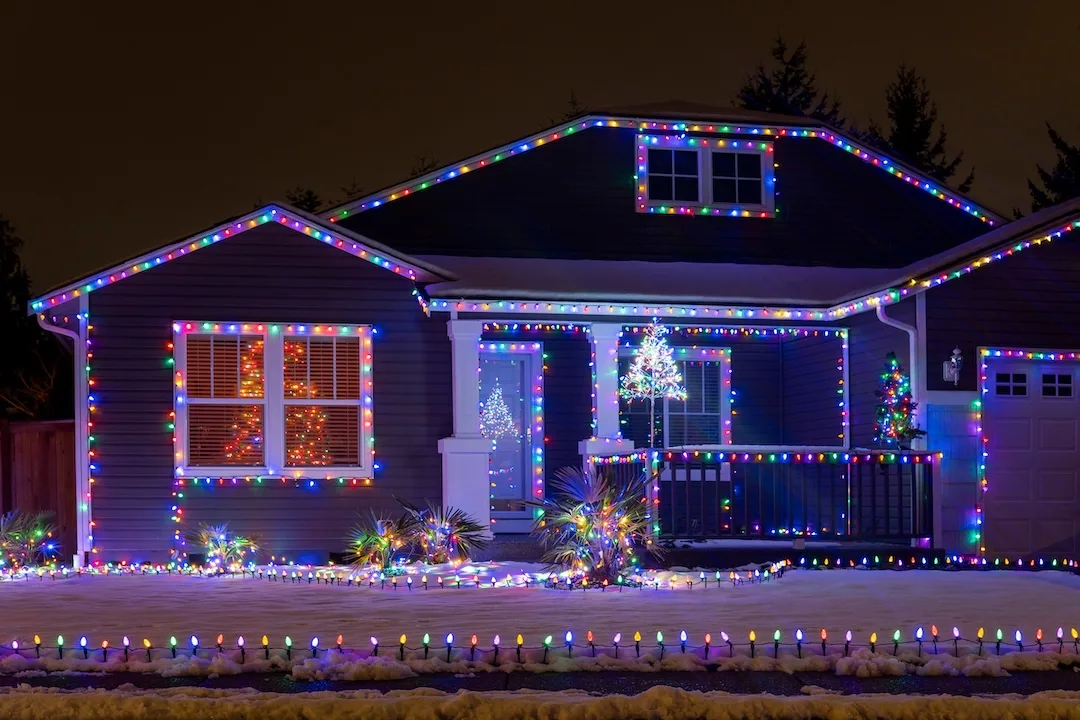
Holiday lights and inflatables can brighten a Nassau County home, but the extra cords, outdoor connections, and winter weather deserve a little planning before you plug everything in.
Before hanging decorations, inspect them in daylight, unplugged and dry. Look for cracked sockets, loose plugs, exposed wires, or damaged insulation, and discard damaged light strings. The Electrical Safety Foundation’s outdoor decorating checklist offers a useful starting point.
Use lights, cords, timers, and decorations labeled for outdoor use. Keep connections out of snow and standing water, and stay within the manufacturer’s load limits and maximum number of connected light strings.
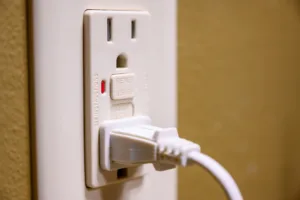
Ground-fault circuit interrupter (GFCI) protection is an important safeguard against electric shock. It works alongside sound wiring, appropriate circuit protection, and careful use of holiday equipment.
What Does a GFCI Outlet Do?
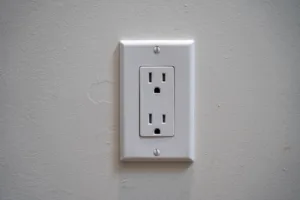
A GFCI compares the current going out on a circuit with the current returning. When it detects an imbalance consistent with a ground fault, it quickly shuts off power to reduce the risk of severe electric shock.
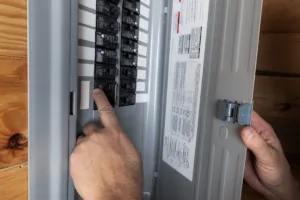
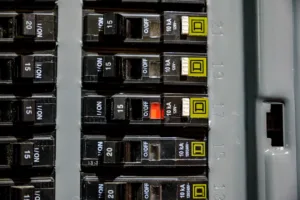
A GFCI receptacle does not replace overload protection from a breaker or fuse. A GFCI circuit breaker combines both functions, but no protective device makes damaged equipment or an overloaded cord safe to use.
Where GFCI Outlets Are Required
GFCI protection is commonly required in the locations below. The exact scope depends on the locally adopted electrical code, the circuit or equipment, and the work being performed. An electrician can confirm what applies to your property:
- Outdoor receptacles and wet locations
- Bathrooms, kitchens, and laundry areas
- Garages, basements, and crawl spaces
- Receptacles near sinks or other water sources, where required
An outdoor outlet can receive GFCI protection from another GFCI outlet upstream or a GFCI breaker. Missing TEST and RESET buttons at that outlet do not prove that protection is absent. If you cannot identify the protecting device, have an electrician verify it.
Why GFCI Outlets Are Essential for Holiday Lighting
Rain, melting snow, and worn decorations can create ground faults. Use a GFCI-protected supply for outdoor decorations, and stop using any equipment that is damaged or repeatedly trips the protection.
Here’s What Can Go Wrong Without GFCI Outlets
- Moisture in a plug connection can allow current to leak along an unintended path.
- Cracked cord insulation can expose live wiring to contact or moisture.
- Damaged inflatables or light displays can present a shock hazard.
- An unprotected supply lacks the sensitive ground-fault detection intended to reduce shock injuries.
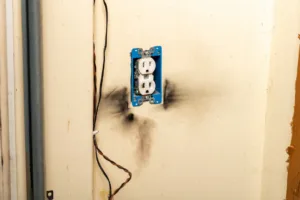
GFCI protection can interrupt a ground fault; it cannot prevent every fire or equipment failure. If an outlet is wet, hot, discolored, sparking, or smells burned, keep clear and arrange electrical repairs and diagnosis. Do not keep resetting protection to run the display. For smoke or fire, leave the area and call 911.
Extra Protection: Weatherproof Covers and Smart Timers
Outdoor installations need equipment and covers suited to their exposure. Weather-resistant does not mean waterproof or safe to submerge.
Check the entire setup, from the outlet to the last light string. A safe cord cannot compensate for a damaged plug or an unsuitable outlet.
🎯 In-Use (Bubble) Covers
A suitable in-use cover protects the receptacle while a cord is plugged in and the cover is closed. Choose a listed cover appropriate for the outlet, box, and weather exposure; do not force it over a plug or cord that prevents it from closing.
Tip: Keep the cover closed as intended, check it for cracks, and have damaged covers or loose receptacles repaired. Do not wrap a wet connection in a plastic bag and continue using it.
🔌 Outdoor-Rated Extension Cords
Choose outdoor-rated extension cords with a rating that supports the connected equipment. Never remove a grounding pin, and keep cords clear of doors, windows, rugs, and walkways where they could be pinched or damaged.
⏰ Automatic Timers or Smart Plugs
Use timers or smart plugs rated for outdoor use and the connected load. Set decorations to switch off before bedtime or leaving home, and confirm they are off. A timer adds convenience; it does not correct a faulty connection or make unattended damaged equipment safe.
⚡ Dedicated Outdoor Circuits
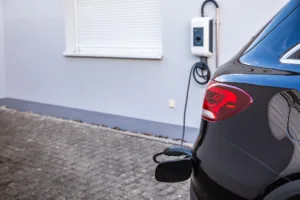
An electrician can assess the combined load from lights, inflatables, and other equipment and determine whether a dedicated circuit is needed. Another outlet may share the same circuit, and a dedicated circuit still has limits. For repeated winter trips, see our guide to breakers tripping in cold weather.
Common Holiday Electrical Hazards to Watch For
| Hazard | Description | Prevention Tip |
|---|---|---|
| Overloaded Extension Cords | Connected equipment exceeds a cord or device rating | Follow load limits and the light-string connection limit on the label |
| Damaged Light Strings | Cracked sockets, loose plugs, or exposed wiring | Inspect while unplugged and dry; discard damaged strings |
| Wet Outlets or Connections | Moisture reaches electrical equipment | Do not handle wet plugs; stop use and have the problem checked |
| Improper Adapters | A connection defeats grounding or other safety features | Use compatible equipment and never remove grounding pins |
| Indoor Cords Outdoors | Equipment is not rated for outdoor exposure | Use outdoor-rated equipment with suitable covers and GFCI protection |
How to Test Your GFCI Outlets
- Check conditions first. Test only dry, intact equipment with dry hands and safe footing. Do not touch or test an outlet that is wet, hot, damaged, or has given a shock; have it checked by an electrician.
- Identify the protecting GFCI and read its instructions. It may be upstream or at the breaker. If you are unsure which device protects the outlet, ask an electrician.
- Follow the manufacturer’s TEST procedure using the normal accessible controls. Confirm that power shuts off as directed. Do not remove outlet covers or open electrical equipment to perform a test.
- Follow the manufacturer’s RESET step only after a successful test. If the device does not operate as instructed, stop using the affected outlet and arrange professional diagnosis.
A failed test, a device that will not reset, or a trip that returns needs investigation. Do not bypass the protection or keep pressing RESET. Our GFCI tripping guide explains common causes and when to call for help.
Test monthly and before your holiday setup, following the device manufacturer’s directions. The CPSC’s GFCI fact sheet explains regular testing. A device’s age alone does not confirm that it works or needs replacement.
Schedule a Pre-Holiday Electrical Check
Before decorating, Haines Electric can check your outdoor outlets, covers, and available circuit capacity. If you are planning permanent fixtures as well, explore our outdoor lighting services.
Our licensed electricians can:
- Inspect your outdoor outlets for GFCI protection
- Replace outdated or unsafe outlets
- Assess whether additional outdoor circuits are needed for the planned equipment
- Install smart timers and weatherproof covers
We can identify needed repairs and explain the options before work begins, so you can plan your holiday setup around the outlets and circuit capacity available.
FAQs About Holiday Electrical Safety & GFCI Outlets
How do I know if my outdoor outlets are GFCI-protected?
An outdoor outlet can be protected by its own GFCI, another GFCI outlet upstream, or a GFCI breaker. Missing TEST and RESET buttons do not prove it is unprotected. Have an electrician verify protection if you are unsure.
Can I plug holiday lights into indoor outlets and run cords outside?
Do not run cords through doors or windows that can pinch them. Use a suitable outdoor outlet with GFCI protection and outdoor-rated equipment. If you do not have a suitable supply, ask an electrician about adding an outdoor outlet.
Do GFCI outlets work in freezing weather?
Use outdoor electrical equipment within the manufacturer’s temperature and weather limits, with appropriate covers. Weather-resistant does not mean waterproof. Do not use or test wet or damaged outlets; have an electrician check them.
How often should GFCI outlets be tested?
Test monthly and before seasonal use, following the manufacturer’s directions. Test only dry, intact equipment under safe conditions. If a test fails, the device will not reset, or tripping returns, stop using the affected outlet and call an electrician.
Can GFCI outlets prevent fires?
GFCIs can interrupt ground faults and may prevent some fires, but their main purpose is reducing electric shock risk. A GFCI receptacle does not provide overload protection or prevent every electrical fire. Correct loading, sound wiring, and appropriate circuit protection remain necessary.
How much does it cost to install GFCI outlets?
Cost depends on the existing wiring and protection, outlet location, cover, and whether a new circuit or repairs are needed. Haines Electric can assess the work and provide an estimate for your property.
Conclusion: Make Your Holidays Merry, Bright, and Safe
Start with undamaged outdoor-rated equipment, verified GFCI protection, suitable covers, and a plan for circuit loads. Inspect decorations before use and turn them off before bed or leaving home. If something is wrong, stop using the setup and have it checked.
For a pre-holiday electrical check in Nassau County, call (516) 432-4114 or request service online. Haines Electric can help you plan the next step for your outdoor outlets and holiday lighting.